
Get your MSP named, cited and recommended when buyers ask ChatGPT, Perplexity, Gemini and Google AI Overviews which managed IT provider to hire.
AI search optimization for MSPs has two sides, and we run both: GEO for MSPs, which earns the citation inside generated answers, and AEO for MSPs, which structures your content so answer engines and Google AI Overviews can extract it cleanly.
We work with established US MSPs, MSSPs and IT services firms that already win on referrals and reputation, and want that credibility to show up when the recommendation comes from an AI engine instead of a peer.
Monthly organic visits
High-quality backlink placements
Revenue generated for clients
AI search optimization for MSPs is the practice of making a managed IT provider visible, verifiable and quotable to generative AI engines, so the firm appears in the answers buyers read before they reach a website. It combines entity and schema work, content built for extraction, and off-site authority in the places AI engines trust when they evaluate IT providers.
The buying prompts look nothing like keywords:
A prospect reads three or four names, clicks one or two, and builds a shortlist you either made or missed. There is no second page of results to recover on.
AI engines assemble an answer from what they can verify about your firm across the web, then cite the sources that confirm it. For MSPs, that evidence is consistent entity data across your site, Google Business Profile, Clutch and directories; recent, specific reviews; mentions in IT channel trade media and communities like r/msp and Spiceworks; named experts with public bios; and pages that treat each service, vertical and location as its own entity.
Most MSP websites were built for a referral-driven sales motion. They read well to someone who already trusts you, and give an AI engine almost nothing to work with.
Co-managed IT, cybersecurity, cloud and compliance share a single services page. An AI engine has no clear entity to match to "co-managed IT provider for a 200-person manufacturer," so it cites a competitor that built that page.
Your vCISO has twenty years in regulated environments and no public bio, byline or quoted commentary anywhere off your domain. AI engines weigh identifiable expertise heavily when the question involves compliance or security.
A different suite number on Clutch, an old phone number on a directory, a legal name on one profile and a brand name on another. Conflicting data lowers an engine's confidence in naming you at all.
You can see Google rankings. You can't see that your firm is missing from most of the prompts your buyers ask, or that one regional competitor is named in nearly all of them.
We track a defined set of MSP buying prompts across ChatGPT, Perplexity, Claude, Gemini and Google AI Overviews, and report which ones name your firm.
Being mentioned fifth isn't the same as being recommended first. We measure where you land in the answer and how often you appear against the competitors you lose deals to.
Sessions arriving from AI engines, segmented in GA4 so you can see which pages earn the click after the citation.
We tie AI referrals to form fills, booked calls and signed MRR, because the point is new agreements, not citation counts.
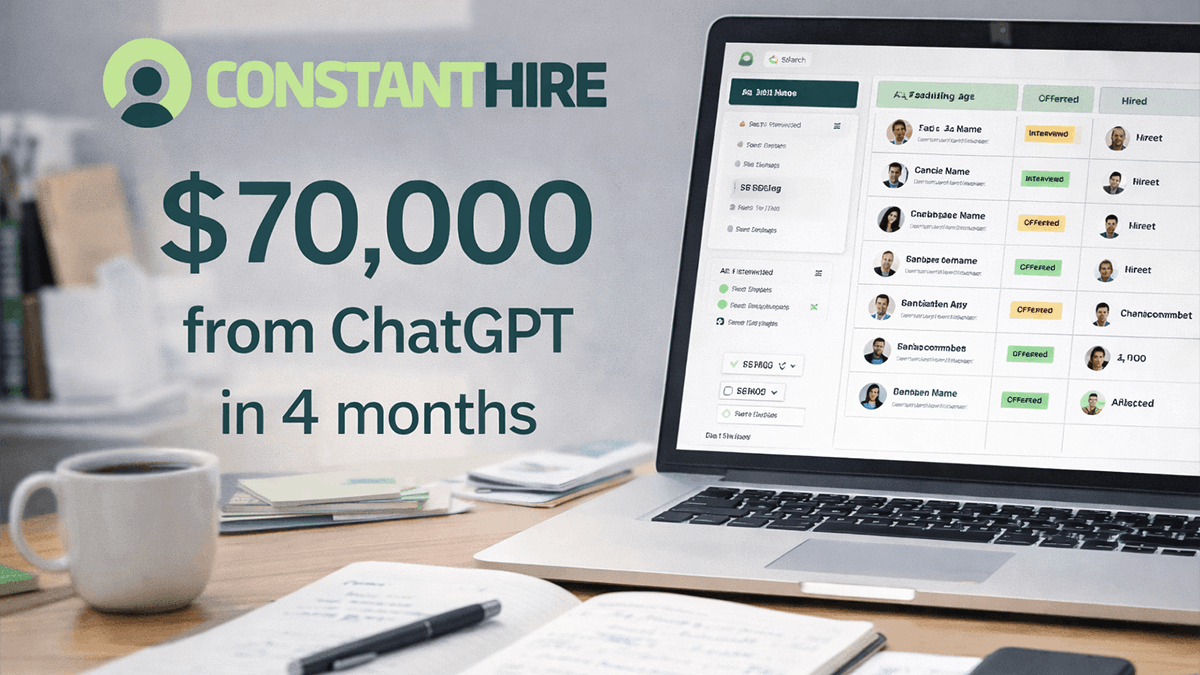
ChatGPT Result
Revenue
Time to Results
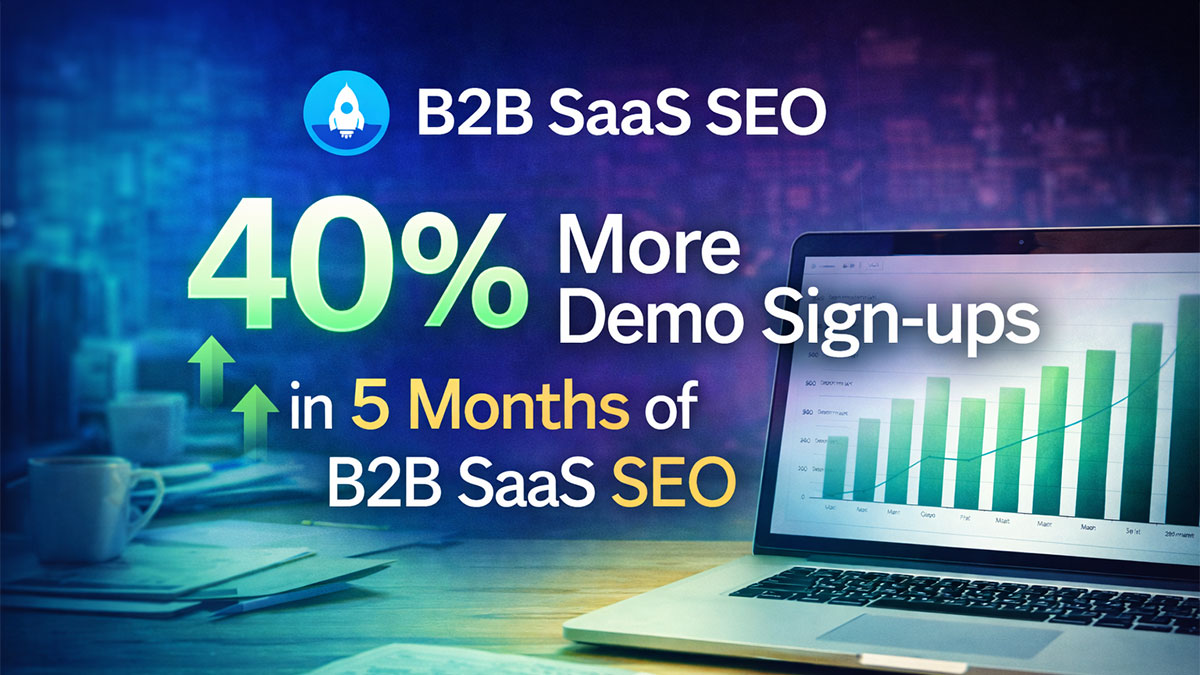
Increase in Top 3 Rankings
More Demo Sign-ups
Timeline

Recommended Result
Time to Results
Recommendation Rate
Generative engine optimization gets your firm named and cited inside answers from ChatGPT, Perplexity, Claude and Gemini. It's won mostly off-site, through verifiable entity data, reviews, third-party mentions and identifiable expertise. It puts you on the shortlist the AI builds.
Answer engine optimization structures your pages so answer engines and Google AI Overviews can lift a clean, correct answer straight out of them. It's won on-site, through schema, information architecture and content that answers the question in its first two sentences.
Search engine optimization produces the indexed, crawlable, authoritative pages both GEO and AEO depend on. AI engines can't cite a page they can't reach or trust, so SEO stays the foundation, not a separate budget line.
We build the prompt set from your real sales conversations, service lines, verticals and service areas, then run it across every major engine to see where you stand and who is recommended instead.
If engines can't confirm who you are, where you operate and what you do, better content won't fix it. Name, address, service taxonomy, schema and profile consistency come first.
IT channel trade media, practitioner communities, review platforms and named expert bios. The sources that build trust with a buyer are the ones an engine leans on.
We run 30 to 50 MSP buying prompts across ChatGPT, Perplexity, Claude, Gemini and Google AI Overviews and document where you appear, where you don't, and which firms own the answers today.
We align your entity data across the web and implement Organization, Service, Person and FAQ schema, plus crawlability for AI user agents, so your firm is machine-readable and consistent.
Distinct pages for each service line, vertical and market, written answer-first so an engine can extract a correct, attributable response.
Mentions in IT channel trade media and communities, a review strategy, named expert bios, and monthly reporting on citations, position, share of voice and AI-sourced pipeline.
AI visibility audit across 30 to 50 buying prompts covering every service, vertical and market you target. A competitor benchmark showing which firms AI names and why, plus a technical audit of schema, crawlability and AI extraction readiness. You end the month with a baseline and a ranked list of the first prompts to win.
Service, vertical and location pages go live. Organization, Service, Person and FAQ schema is deployed and named-expert bios are published. The first editorial placements and community activity begin. First citations typically appear on longer-tail, less competitive prompts.
A second wave of placements and review requests, with weekly citation tracking across ChatGPT, Perplexity, Claude, Gemini and Google AI Overviews. You get your first full monthly report on citation rate, recommendation position, share of voice and AI-sourced pipeline.
A 200-person manufacturer with a struggling internal IT function no longer starts with a Google search and six tabs. They ask an AI engine for options, get four names with reasoning attached, and take that list into their first internal meeting.
If your firm isn’t in that answer, you aren’t in the evaluation, and nothing on your website can change that after the fact.
Between $1M and $50M in revenue, a real client base and reputation, and inbound that has never been systematic.
Compliance frameworks, a vertical specialty, co-managed IT, a security practice. Specificity is what makes a firm citable.
This program creates demand. It should land in a team that can sell and onboard it.
You expect to see which prompts you win, which you lose, and what that produced in pipeline.
A senior team that runs SEO, GEO and PPC together and reports on pipeline, not activity.
The person who scopes your program runs it. You’re not briefing a new account manager every month.
Our AI search work has moved clients from unmentioned to top recommendation in competitive categories, with revenue attached.
AI visibility depends on crawlable, authoritative pages. We own that layer instead of depending on another agency to maintain it.
Citations, recommendation position and share of voice, connected to AI referral sessions, booked calls and signed agreements.
Organic search programs that build the indexed authority AI engines depend on.
Google Ads for managed IT providers, built around high-intent service and vertical demand.

Have questions about working with us? Book a 30-minute strategy call to discuss your goals and see if we’re a good fit.
No-pressure conversation
Clear next steps (if we’re a fit)
Talk directly to an expert
It’s the work of making your managed IT firm visible and citable to generative AI engines, so you’re named when buyers ask ChatGPT, Perplexity, Claude, Gemini or Google AI Overviews for a provider recommendation. It combines entity and schema accuracy, content structured for extraction, and off-site authority in the sources those engines trust when evaluating IT providers.
GEO (generative engine optimization) gets your firm named and cited inside generated answers. AEO (answer engine optimization) structures your content so answer engines and AI Overviews can extract it as the answer. SEO produces the crawlable, authoritative pages both rely on. They share the same foundation and are scoped together, not bought separately.
Narrow prompts, such as a specific vertical in a specific market, can start moving within weeks of the entity and schema work landing. Broader, more competitive prompts follow authority building and take longer. Engines refresh their sources on different schedules, so we report progress by prompt rather than promising a single date.
We track a defined prompt set across ChatGPT, Perplexity, Claude, Gemini and Google AI Overviews, recording whether you’re cited, where you appear in the answer, and your share of voice against named competitors. That connects to AI referral traffic in GA4, then to form fills, booked calls and signed MRR.
No. Most MSP buyers still use Google, and AI Overviews now sit above the organic results, which is why AEO matters there. What has changed is where the shortlist forms. Buyers increasingly arrive at your site already holding three or four names. The goal is being on that list.
This is inbound visibility, not outbound prospecting. We don’t supply AI tools that find and contact prospects for you. We make your firm the one recommended when a buyer researches providers on their own, which produces inbound conversations with people already evaluating providers.
It depends on how many service lines, verticals and markets you need covered, the state of your entity data and site, and how much authority you already hold. We scope it after a strategy call and a look at where you stand across your buying prompts, so the program matches what needs fixing.
Yes. We can run the AI search layer alongside an in-house marketing lead or an incumbent agency, with clear ownership of schema, content structure and off-site authority so nothing gets duplicated or overwritten. Where another team owns the website, we define the technical requirements and review the implementation.
No, though MSPs, MSSPs and IT services firms are a core focus. Our AI search work spans B2B services, SaaS and ecommerce, which is where the methodology behind this program was built and proven.