
Franchise SEO
 Strategy led by Austin Coker, Founder of 95 Projects
In a lot of systems, SEO for franchises stops at the brand site. The homepage ranks for the category, but the locations that take the calls stay invisible in Google Maps and AI answers. We run senior-led franchise SEO for franchisors and multi-unit groups across the brand site, location pages, Google Business Profiles and AI search, set once at the brand level and carried through every location, with reporting each franchisee can read.
Book a Call See our results ›




SEO for franchises covers two layers. At the brand level, it means a crawlable store locator, a clean URL structure, unique location pages with LocalBusiness markup, and governance for openings, closures and franchisee-built sites. At the location level, it means Google Business Profile management, consistent NAP listings, per-location reviews and local content. Franchise local SEO now also includes visibility in AI search, per-location reporting and a clear split of the brand fund between SEO and Google Ads.
Franchise SEO works when everyone knows what they own. This is the split we put in place.
| Area | Owned by the franchisor | Owned at the location level |
|---|---|---|
| Website and domain | One brand domain, site architecture, technical SEO, brand messaging and approved templates | Input on local services, staff and community details for their page |
| Location pages and locator | URL pattern, store locator, page templates, schema and internal linking | Accurate hours, services offered, service area and local proof |
| Google Business Profiles | Profile ownership, verification, categories and naming standards | Manager access for photos, posts, hours updates and day-to-day accuracy |
| Reviews and responses | Review request process, response guidelines and escalation rules | Asking customers for reviews and replying within the guidelines |
| Local links and community content | Outreach standards, approved partners and content review | Sponsorships, chamber memberships, local events and partnerships in their market |
Neighboring units often serve overlapping ZIP codes, and when two location pages target the same suburbs they compete with each other. We map each page and profile to the territory in the franchise agreement, and where territories overlap by design, the locator sends customers to the nearest unit.
One structure for every location, with substance that changes from page to page.
Many locators load locations through scripts search engines cannot follow. We build one with plain links to every location page and one URL pattern, such as /locations/state/city/, so new units slot in and authority flows down from the brand site.
Swapping the city name across templates is how pages get treated as doorway pages. Each page carries details only that unit can claim: staff, services offered there, neighborhoods served, and local reviews and community work.
Each page gets LocalBusiness schema with its own name, address, phone, hours and service area, connected to the franchisor through parentOrganization, so Google and AI search see real places belonging to one brand.
Google Business Profiles
At scale, profiles drift: franchisees change hours, add categories, create duplicates or lose access when staff leave. One structure keeps the brand in control, gives franchisees the access they need, and keeps every location accurate in Maps.
Book a CallThe franchisor owns every profile through one organization account and adds franchisees as managers, so profiles, reviews and history stay with the brand when a unit changes hands.
New locations are verified in bulk where eligible, with primary and secondary categories following one standard set for the system.
Name, address and phone match exactly across the profile, the location page and the main directories and data aggregators.
Each location gets its own review request process and a response guide with approved language for complaints and sensitive cases.
Posts, real location photos and common-question updates run on a calendar and are written for each market, so profiles never publish the same text word for word.
Systems change every month. These are the moments that quietly cost rankings if nobody owns them.
A new location page goes live and gets indexed before the doors open. The Business Profile is verified close to opening day so it does not sit empty, and the locator, listings and internal links update the week the unit starts taking customers.
A closed unit's page redirects to the nearest active location and its profile is marked permanently closed. For a move, the profile, page and every listing update together, so old addresses stop sending customers to an empty storefront.
Franchisee-built sites split authority and carry off-brand claims. We consolidate them under the brand domain, redirect each URL to the matching location page so rankings carry over, and put a written governance policy in place.
AI search
People ask AI search for the best option near them, and the answer names a short list. Whether your unit makes it depends on signals we work location by location, tracked with a prompt set for each market.
Each unit appears with the same name, address, phone and category on its page, profile and listings, so AI engines recognize it as one real business.
A steady flow of reviews that mention specific services and neighborhoods gives an engine reasons to recommend that location over the one down the road.
Pages that answer the questions people ask about that market are easier for AI search to quote and cite.
Robots rules, CDN settings and the locator are checked so the crawlers behind AI search can reach every location page.
Most systems pay for search through a brand fund or ad fund, and franchisees want to know how much of their contribution reaches their market.
New units and competitive markets usually lean on Google Ads while organic visibility builds; mature locations with strong Maps rankings can shift more budget toward SEO.
The split between SEO and Google Ads is reviewed as rankings move, so paid spend is not covering searches a location already wins organically.
Each franchisee sees rankings in their market, calls, direction requests, form fills, and review count and rating, readable without a walkthrough call.
Franchisors see the same data rolled up across the system, with locations falling behind flagged so field marketing knows where to step in.
Attracting new franchisees is a different search audience, so we run it as a separate track. Prospective owners search for terms like "[category] franchise opportunities" and need dedicated development pages that explain the model, the ideal candidate, available territories and the steps to inquire. These pages sit apart from consumer location pages so the audiences never compete. Every page is cleared by your franchise counsel before publishing, including registration-state requirements, and makes no earnings claims or financial performance representations. Development inquiries are tracked separately from customer leads.
The work that ranks a franchise location, from high-ticket local service pages to compliant copy and AI search visibility, is the same work behind these client results.

A high-ticket local service where every lead comes from a defined service area, the same pattern every franchise location depends on.

A regulated category where every claim has to hold up, the same discipline franchise development pages require.
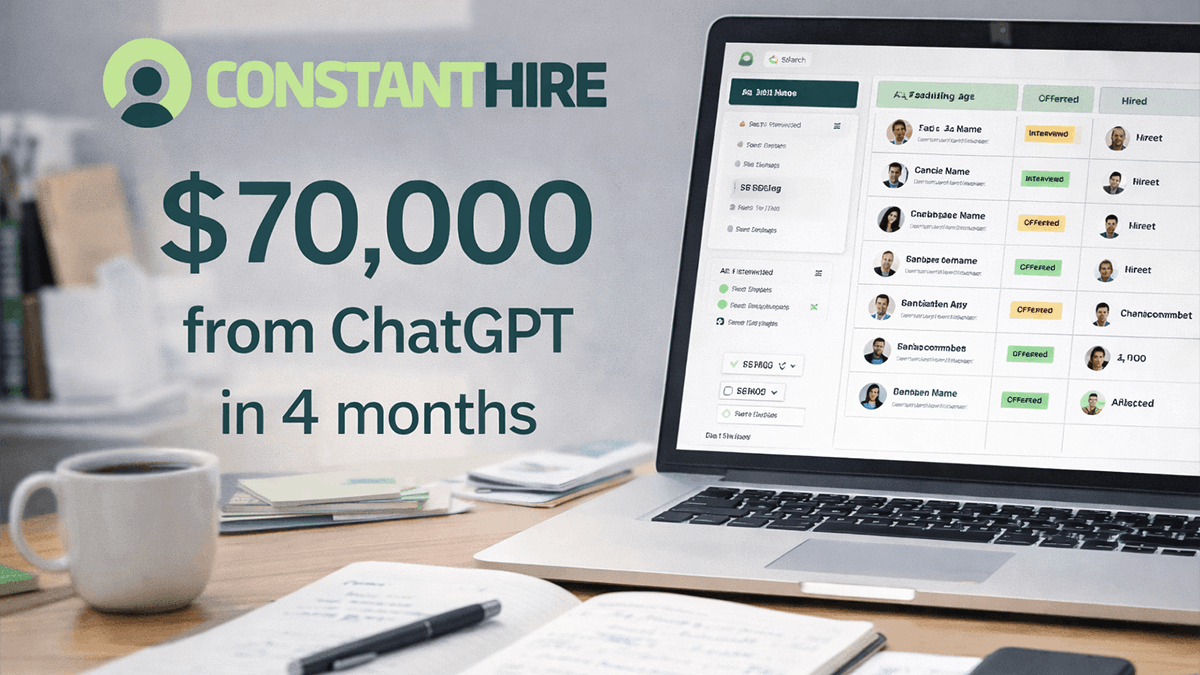
AI search visibility that turned into paying customers, in the same channel where your locations are now being compared.
Built for franchise systems that need brand control and local results at the same time.
Strategy and day-to-day work are handled by senior specialists who have run search for established brands, with no handoff to a junior team after the strategy call.
Organic, AI search and Google Ads are planned together, so brand-fund spend is split on real data and paid covers what organic has not won yet.
We work with the franchisor's marketing team and with franchisees and multi-unit operators, keeping brand standards intact while each location gets attention.
Every location sees its own rankings, calls and reviews in plain terms, cutting down the "what am I paying for" conversations your field team handles today.
Pair franchise SEO with AI visibility and paid coverage for every location.
Get your brand and locations cited and recommended in AI search answers.
Explore AI Search Marketing ›Location-targeted Google Ads planned alongside your organic visibility.
Explore PPC ›Local and AI search visibility for one of the most franchise-heavy care categories.
Explore Home Care SEO ›Senior-led SEO for established B2B, SaaS, ecommerce and high-value service brands.
Explore SEO Services ›


Senior-led and in-house. You work with the strategists doing the work, not juniors learning on your account.
Meet the team ›Book a strategy call and we will review your brand site, your locator and a sample of your locations across Google, Maps and AI search. You will leave with a clear view of what is holding locations back and where the brand fund should go first.
It depends mainly on the number of locations, the condition of the current site and locator, how many Business Profiles need cleanup, and whether AI search, Google Ads or a franchise development track are included. Systems with rogue franchisee sites or duplicate profiles need more upfront work. We scope it after reviewing your locations on a strategy call.
The franchisor should own every Google Business Profile through a brand-level organization account, with franchisees added as managers. That keeps reviews, history and rankings with the brand when a unit is sold or closes, while franchisees can still post updates, add photos and respond to reviews.
Give each page content only that location can claim: its staff, the services it actually offers, the neighborhoods it serves, local reviews and community involvement. The template and brand messaging can stay consistent, but the substance of every page has to differ, or Google may treat the pages as doorway pages and rank few of them.
In most systems, no. Separate franchisee sites split authority and are hard to keep accurate and on brand. A location page on the brand domain, with unique local content and franchisee input, usually ranks better. Existing franchisee sites can be consolidated with redirects so the rankings they earned carry over to the brand site.
Handled properly, very little is lost. A closed location's page is redirected to the nearest active unit and its Business Profile is marked permanently closed. For a move, the address is updated on the profile, the location page and every listing together, which keeps rankings and reviews attached to the location.
Franchise locations get recommended in AI search when engines can confirm the location exists and that customers rate it well. That comes from consistent name, address and phone data, strong review volume, location pages with specific local content, and crawler access. We track prompts like "best [service] in [city]" for each market.
Early movement in Maps and location page rankings often shows within a few months, once profiles, listings and pages are cleaned up. Competitive markets and brand-new locations take longer. Fixing a broken locator or consolidating rogue sites can produce gains sooner, because existing authority is recovered.
A franchise marketing agency usually handles the full search side of the system: Google Ads by location, AI search visibility, brand-fund planning, franchisee reporting and often franchise development marketing. We cover SEO, AI search and Google Ads under one senior team, so local and brand campaigns are planned together.