

Your supply chain platform gives companies visibility, control, and efficiency across their operations. But when a VP of Supply Chain searches for a solution in your category, they find SAP, Oracle, and your better-known competitors.
We build search marketing strategies for supply chain software companies that turn organic visibility into qualified demos and enterprise sales conversations. SEO, AI search optimization, and PPC, all designed for how supply chain leaders actually evaluate and purchase technology.
Monthly organic visits
High-quality backlink placements
Revenue from organic
Supply chain software is not a standard SaaS purchase. The buyers are operations experts, the deals are large, and the evaluation process is rigorous.
Your buyers use highly specialized terminology. Supply chain professionals search for WMS, TMS, demand planning, S&OP, inventory optimization, and procurement automation. They don’t search for “supply chain software” in most cases. They search for specific capabilities using industry-specific language. Your keyword strategy needs to match.
Integration requirements drive evaluation. Supply chain buyers don’t evaluate software in isolation. They evaluate how it connects to their ERP, WMS, TMS, and other systems. Content that addresses integration scenarios, technology stack compatibility, and implementation approaches captures buyers at the decision stage.
Post-COVID urgency created a crowded market. Supply chain disruptions made technology investment a board-level priority. The result: more vendors, more funding, and more competition for organic search visibility. Standing out requires precision targeting.
Enterprise procurement is complex and multi-stakeholder. Supply chain technology purchases involve operations, IT, finance, and executive leadership. Your content needs to serve each stakeholder with different information at each evaluation stage.
The deals justify aggressive search investment. When a single deal is worth $50K to $500K+ annually, ranking for the right keywords is not a marketing expense. It is a pipeline engine. Every qualified lead from search could represent significant ARR.
AI search is the emerging research channel. Supply chain leaders are using ChatGPT and Perplexity to research technology options, compare vendors, and build shortlists. If your platform is not in those AI-generated responses, you start behind.
Most SEO agencies run the same playbook for every client: find keywords, write blog posts, build links. That works for local businesses and ecommerce stores. It fails for SaaS.
SaaS buyers don’t impulse-purchase. They research for weeks. They read comparison pages. They ask ChatGPT “what’s the best CRM for small teams?” They evaluate trials, read case studies, and check G2 reviews before booking a single demo.
Your SEO strategy needs to match that buying journey. That means:
Bottom-of-funnel content first. Not top-of-funnel blog posts that drive traffic and zero conversions. Pages targeting “best [category] software,” “[your product] vs [competitor],” and “[competitor] alternatives” convert 5-10x better than educational content.
Product-led pages, not generic guides. Every page should naturally demonstrate your product’s value. Comparison pages, use case pages, integration pages, and feature breakdowns that help buyers evaluate you.
AI search optimization from day one. ChatGPT, Perplexity, and Google AI Overviews are reshaping how SaaS buyers discover products. If you’re not being recommended in AI responses, you’re invisible to a growing segment of your market.
Metrics that matter to your board. We don’t report on traffic and keyword rankings. We track demos booked, trial signups, SQLs generated, and how organic search contributes to MRR and ARR.
SEO Strategy Built for Supply Chain Buyers. We start with your specific supply chain sub-category, your target industries (manufacturing, retail, distribution, logistics), and the operational problems you solve.
Then we build a strategy that ca AI Search Optimization. Supply chain leaders are using AI tools to research technology options.
We ensure your platform appears in those conversations.
Sound familiar? You’re not alone.
Supply chain professionals use highly specialized terminology. They search for specific capabilities like warehouse management, transportation management, demand planning, and inventory optimization. If your keyword strategy targets generic terms, you are invisible to buyers using the language of their daily operations.
Enterprise supply chain vendors have massive content libraries built over decades. Competing head-to-head on volume is not viable. The opportunity is in specific sub-categories, mid-market queries, and industry-specific use cases where their content is thin or generic.
Supply chain buyers evaluate software based on how it connects to their existing ERP, WMS, TMS, and other systems. Content that addresses integration scenarios, technology stack compatibility, and implementation approaches captures buyers at the decision stage. Generic features content does not.
When a VP of Supply Chain asks ChatGPT for 'best demand planning software for manufacturing' or 'top WMS for 3PL operators,' the platforms mentioned get on the shortlist. If you are not in those AI-generated responses, you start behind before your sales team even knows the deal exists.
We don’t send you traffic reports. We track the numbers your board cares about.
Qualified demos with VP Supply Chain, Directors of Operations, and logistics leaders who are actively evaluating supply chain technology. We track how organic search drives the enterprise conversations that move through complex procurement.
With supply chain deals ranging $50K-$500K+ ACV, we track pipeline value from search across your specific sub-category and target industries. You see exactly how many enterprise opportunities search creates for your sales team.
We track rankings for the integration and compatibility queries that signal buyers are deep in evaluation. These are the keywords where ranking improvements directly translate to enterprise pipeline.
We monitor how often your platform appears in ChatGPT, Perplexity, and Claude responses when supply chain professionals research technology solutions by sub-category, industry, and operational use case.
Increase in Top 3 Rankings
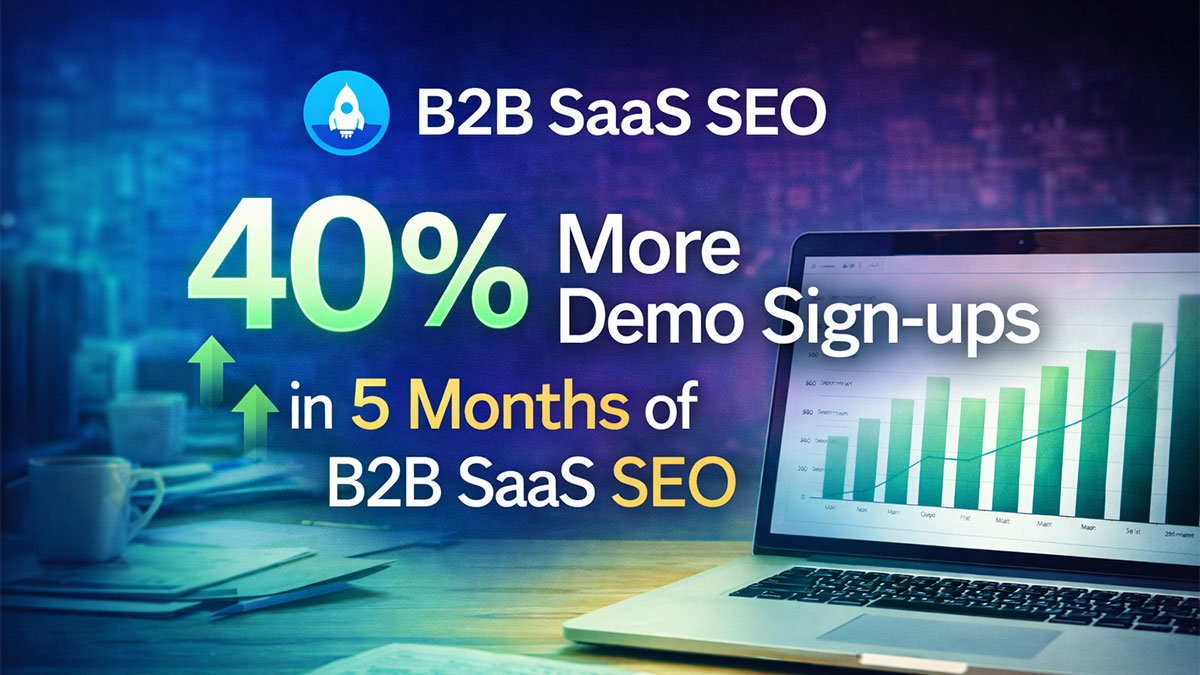
More Demo Sign-ups
Timeline
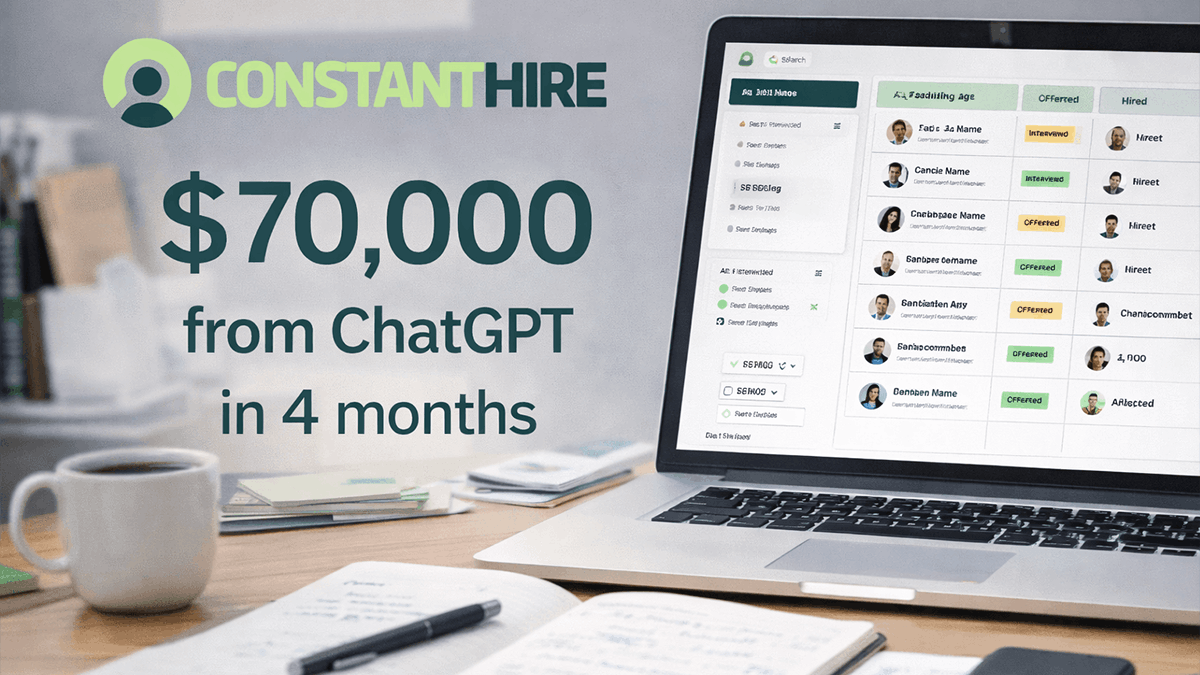
ChatGPT Result
Revenue
Time to Results
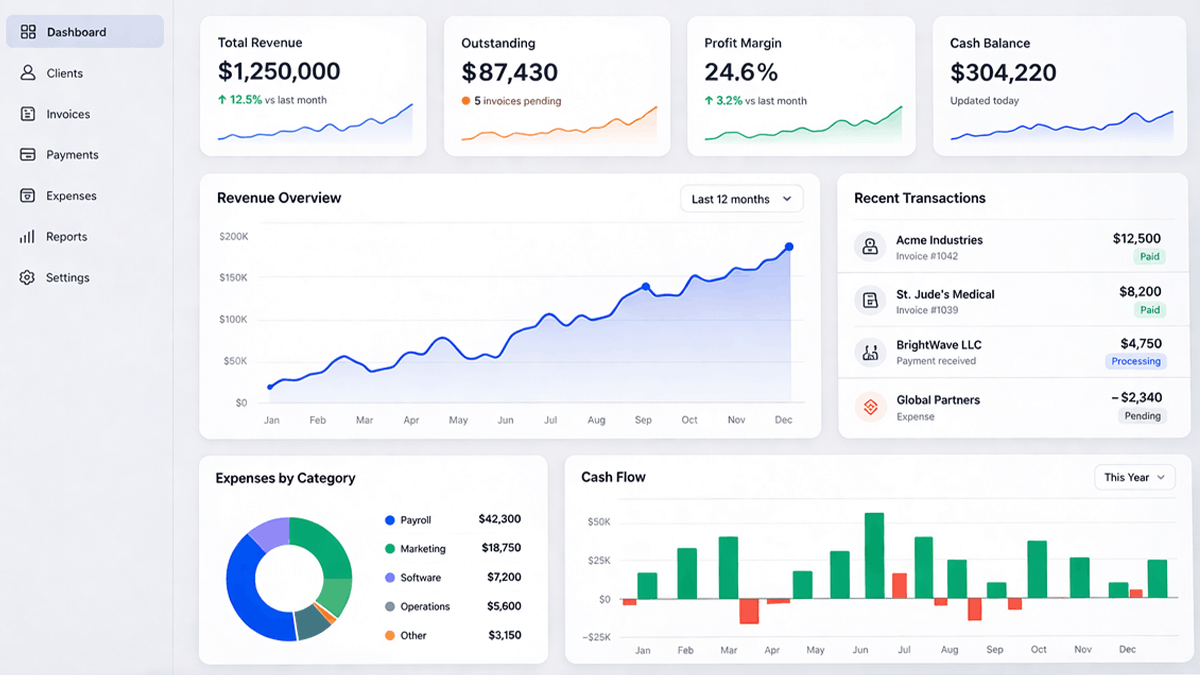
Monthly Visitors
Domain Authority Growth
Total Visitors Added (10 months)
We start with your specific supply chain sub-category, your target industries (manufacturing, retail, distribution, logistics), and the operational problems you solve. Then we build a strategy that captures demand from supply chain leaders actively evaluating solutions. Bottom-funnel content targeting evaluation-stage queries (comparisons, alternat
Supply chain leaders are using AI tools to research technology options. We ensure your platform appears in those conversations. Structured content that AI models reference for supply chain technology queries. Brand authority building across supply chain publications (Supply Chain Dive, Supply Chain Brain, Logistics Management). Answer-optimized con
Enterprise deals justify PPC investment. We capture high-intent supply chain buyers today while organic authority builds. High-intent keyword campaigns for demo and evaluation queries. Industry and sub-category specific targeting. Competitor conquest campaigns against enterprise supply chain vendors.
Generative Engine Optimization for supply chain software. Get your brand recommended by name across ChatGPT, Perplexity, Claude, and Gemini when buyers ask AI for vendor shortlists.
Supply chain buyers evaluate based on how your platform connects to their existing systems. We build content around ERP integrations, WMS compatibility, API capabilities, and implementation scenarios that drive evaluation-stage engagement.
Supply chain technology purchases involve operations, IT, finance, and executive leadership. We build content that addresses each stakeholder's specific concerns and decision criteria throughout the enterprise procurement process.
We build authority through supply chain industry publications and optimize for AI search visibility. Your platform shows up everywhere supply chain leaders research technology, from Google to ChatGPT to Supply Chain Dive.
Every month without a search strategy is enterprise pipeline lost to competitors building authority in your category. The supply chain software companies winning in search started investing months ago.
Book a strategy call. We will show you where the search opportunities are in your specific sub-category and how we would capture them.
Supply chain directors and logistics VPs are asking ChatGPT “best supply chain visibility platforms” and “top inventory management software.” If your platform isn’t in those AI recommendations, you’re losing to competitors who buyers discover through AI search before they ever open Google.
The math works better for supply chain software than almost any other B2B category:
Enterprise supply chain technology deals generate substantial recurring revenue. A single qualified lead from organic search that closes can return your SEO investment many times over. At these deal sizes, every high-intent ranking is a pipeline asset.
Once a company deploys your supply chain platform, the integration with their ERP, WMS, and operational workflows creates switching costs that keep customers for years. The lifetime value of each enterprise client is massive.
VPs of Supply Chain and Operations directors evaluate technology thoroughly. They compare capabilities, check integrations, assess vendors, and run pilots. All of that research happens on channels that SEO and AI search optimization directly influence.
Supply chain disruptions, nearshoring, sustainability requirements, and digital transformation create continuous demand for new technology. SEO captures supply chain leaders at the start of each evaluation cycle, compounding pipeline.
From first call to measurable results, here is how our supply chain software SEO engagements work.
We learn your product, your target industries, your competitive landscape, and your enterprise pipeline goals. You walk away understanding the search opportunity in your supply chain software market.
Keyword research across your sub-category and target industries, competitor analysis against enterprise vendors, technical audit, and content gap analysis. We prioritize based on where the highest-value enterprise opportunities live.
Content production targeting supply chain decision-makers, technical optimization, link building from supply chain publications, AI search optimization, and PPC campaigns. Everything drives qualified supply chain leaders to your platform.
Monthly reporting tied to pipeline metrics. Rankings for supply chain technology keywords, traffic from enterprise buyers, demo requests, qualified opportunities. Complete transparency on strategy and results.
We’re not a generalist agency. We work with businesses where each client matters: SaaS companies, B2B services, high-AOV ecommerce. We understand that you don’t need 10,000 visitors. You need 10 qualified leads that turn into long-term customers.
Most agencies still only think about Google. We build strategies that work across both traditional search and AI search, because that’s where your prospects are actually looking.
You won’t get 40-page decks full of metrics you don’t care about. You’ll get rankings that drive real leads, and we’ll help you track the revenue impact.
No account manager middlemen. You work directly with the strategist running your campaign.

Have questions about working with us? Book a 30-minute strategy call to discuss your goals and see if we’re a good fit.
No-pressure conversation
Clear next steps (if we’re a fit)
Talk directly to an expert
Supply chain technology buyers use highly specialized terminology, evaluate based on integration requirements, and involve multiple stakeholders in enterprise procurement processes. The search behavior, content expectations, and competitive dynamics are fundamentally different from typical SaaS categories.
Most clients see meaningful traction in 3 to 6 months. Technical optimization and existing content improvements produce faster wins. Competitive rankings for high-value enterprise terms compound over 6 to 12 months.
Yes, but not by outproducing them. We identify the specific sub-categories, use cases, and industry niches where their content is thin or generic. Mid-market queries, industry-specific terms, and integration-focused content are often underserved by the enterprise giants.
We work across WMS, TMS, demand planning, procurement, supply chain visibility, S&OP, inventory management, and related categories. Each gets a strategy tailored to its specific buyer behavior and competitive landscape.
AI search optimization ensures your platform appears when supply chain leaders use ChatGPT, Claude, or Perplexity to research technology solutions. These tools are increasingly used to build vendor shortlists and compare options.
Yes. We have a dedicated Logistics and Freight SEO practice. This gives us deep understanding of the supply chain ecosystem, which directly strengthens our supply chain software strategies.