

Generative engine optimization for luxury and high-AOV brands that want to be named, and described accurately, when buyers ask ChatGPT, Gemini, Perplexity and Google AI Mode which brand or piece to choose.
GEO for luxury brands is the work of getting your house into the AI answers that come before a high-ticket purchase: which designer, which material, whether a piece is worth the price, and where to buy it safely. It covers the product and structured data you publish, the copy on your collections and products, what AI crawlers can actually read on an image-led site, and the editorial and third-party sources these engines lean on when they build an answer.
Luxury buyers have always researched carefully. More of that research now happens in a conversation with an assistant, and the answer names a few brands and a few places to buy. If resellers, marketplaces or a competitor’s story fill that answer, the sale goes with them. Engagements start from $5,000 per month, and the same senior team runs strategy and delivery.
Trusted by the world's leading brands















Revenue generated from search for our clients
To take Vintage Luxe Up from position 18 to #1
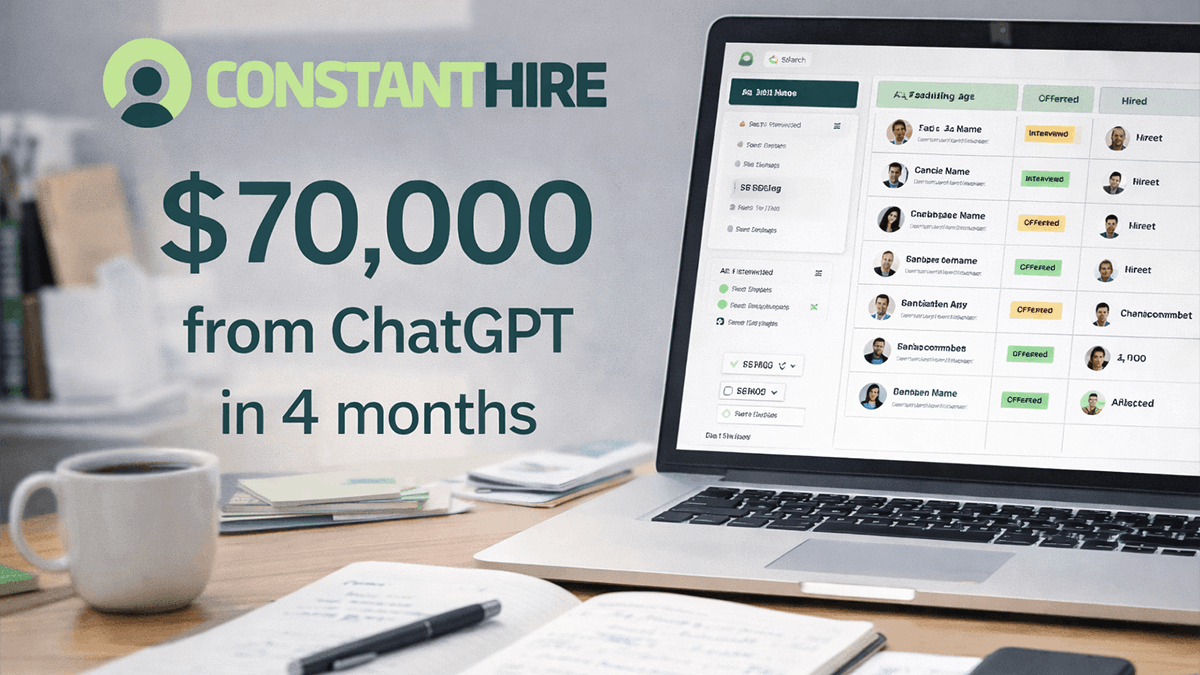
To get Buoy to #1 on ChatGPT
Each engine builds its answer from a different mix of your own pages, your product data and what publications, retailers and buyers say about you. These are the inputs that matter for a luxury brand.
ChatGPT answers brand and product questions with live web retrieval and its own shopping results. It reads what it can render on your product and collection pages: server-side copy, specifications it can parse, and structured data for price, availability and variants. Editorial coverage, buying guides and forum threads shape how it characterizes a house. If your materials, provenance and sizing live only in images or app-rendered tabs, it has nothing of yours to quote, so it quotes someone else.
Perplexity puts its sources on screen, so the quality of what it cites decides how you come across. It lifts short passages from pages that answer the question directly. Brand storytelling with no specifics rarely survives that; a page that states the material, the construction, the dimensions or what sets a piece apart does. When a resale listing and your own site disagree on a basic fact, the answer may follow whichever version it finds more often.
Gemini draws on Google's product data, so your Merchant Center feed and the product markup on your site shape what it can say about a piece. Complete attributes carry weight: identifiers, variants, materials, availability and price. It also reads the wider web and review signals. The common luxury failure is a storefront, a feed and a set of retailer listings that each describe the same piece differently, so the engine picks one or leaves the detail out.
AI Overviews and AI Mode build answers on top of Google's index, so your organic rankings still decide whether you're a candidate. They draw on pages that rank, product markup they can parse, and the publisher and forum content Google already surfaces for luxury queries. Being quoted usually takes a page that resolves the exact question in the prompt, plus enough outside coverage that your claims read as established rather than self-reported.
Seven work areas, run in sequence against your catalog, your site and the sources that write about you.
We reconcile every place a piece is described: your storefront, the structured data your site outputs, your Merchant Center feed and the listings your authorized retailers run. Names, materials, variants, identifiers, prices and availability get matched. Conflicting versions of the same fact are one of the most common reasons an engine describes a product wrongly or leaves it out.
Answers are built from attributes, not adjectives. We map what buyers in your category ask before they spend: materials and origin, construction, dimensions and fit, provenance and condition for vintage pieces, authenticity, care, shipping and returns. Those details go on the page in a form engines can parse, and into the feed where it applies.
We write collection and product copy that answers the buying question plainly: who a piece suits, how it compares, what makes it worth the price. Longer copy can sit below the product grid so the page keeps its clean, image-led look, the same approach behind our Vintage Luxe Up results.
Luxury sites lean on full-bleed imagery, video and scripts. We check what AI agents are allowed to fetch and what they can actually read. Copy injected by scripts after load, details in client-rendered tabs and text baked into images are often invisible to retrieval, so we move what matters into server-rendered markup.
Engines corroborate before they recommend. We pursue coverage and placements in the fashion, design, lifestyle and gifting publications, roundups and buying guides that engines cite for your category, starting with the prompts where you're missing from the sources. No generic guest posts that would cheapen the brand.
Your house has to resolve to one entity with one story. We align brand naming, founding and heritage facts, about and policy pages, press bios, retailer and directory listings, and the structured data that connects them, so engines repeat the description you want, not a reseller's.
When a buyer asks where to buy a piece safely, the answer should point to you and your authorized stockists. We publish clear, crawlable information on official retailers, authenticity and after-sales service, so engines have an accurate source for the question.

Vintage Luxe Up is a Shopify luxury fashion brand selling vintage scarves, framed vintage scarves and accessories at $1,200 each. Its product pages existed, but search engines didn’t understand what it sold or who the pieces were for, and it wasn’t ranking for the keywords its buyers were searching.
The main keyword moved from position 18 to #1 in under 90 days. Commercial visitors grew from 400 to 1,600 a month within those 90 days, and after one year the brand saw a 22.5x return on its SEO investment.
That was SEO work, and it’s the foundation GEO builds on. Google’s AI Overviews and AI Mode draw on pages that already rank, and plain, specific collection copy is the kind of text AI answers quote. For our AI search method on its own, see how we took Buoy from invisible to the #1 ChatGPT recommendation in three weeks, below.

ChatGPT Recommendation
Time to Results
From Not Listed at All
ChatGPT Result
Revenue
Time to Results
Collection Page Clicks
Sales Page Clicks
Time to Results
Measurement starts with a fixed prompt set: the questions a real buyer asks when they’re close to a purchase in your category, from “best luxury silk scarf brands” to “is this designer worth it” and “where to buy authentic vintage pieces.” We run it against each engine on a fixed schedule, so the data stays comparable month to month.
From that we track mention and citation share by engine, recommendation position, and which of your pages get quoted. For luxury brands we also check how the answer describes you: whether materials, price positioning and heritage are stated correctly, and whether it sends buyers to you, an authorized stockist or a reseller.
On your side, we isolate sessions and revenue from AI referrers in analytics and reconcile them with your order data, including journeys where an AI answer starts the research and the purchase closes weeks later.
The monthly report shows the prompt set with current standing per engine, movement since last month, the URLs being cited, how each engine describes your brand, the third-party sources appearing alongside you, revenue from AI referrers, and the work queued for the next cycle.
A 90-day start, from audit to the first monthly report.
We review your catalog, how AI engines describe your brand today and the prompts that matter in your category, and tell you whether there's a case for the work before anything is scoped.
We build and baseline the prompt set across engines, then audit your product data, structured data, feed, crawler access, retailer listings and brand facts. You get the findings with gaps ranked by commercial impact.
Data and feed fixes, attribute build-out, crawl and rendering corrections, answer-first rewrites on priority collections and products, and dedicated pages for the highest-value prompts.
Editorial and third-party work for the prompts where outside sources are cited instead of you, live tracking across all engines, and the first monthly report.
If you’re comparing luxury brand marketing agencies for AI search, here’s where this work pays off fastest.
You run your own ecommerce store, on Shopify or another platform, with order values where a single recommendation in an AI answer is worth real revenue.
A designer, a material, a period, a construction method, a limited edition or a provenance. Engines recommend on concrete details, not mood.
Ecommerce admin, Merchant Center and analytics. Data, markup and rendering fixes are most of the early work, and they can't be done from the outside.
Reporting is built around prompt standing, citation share, how accurately you're described and revenue from AI referrers, not impressions.

Have questions about working with us? Book a 30-minute strategy call to discuss your goals and see if we’re a good fit.
No-pressure conversation
Clear next steps (if we’re a fit)
Talk directly to an expert
GEO, or generative engine optimization, for luxury brands is the work of getting your house named and described accurately in AI answers from ChatGPT, Gemini, Perplexity and Google AI Mode. It covers product and structured data, answer-first collection copy, crawler access on image-led sites, brand entity consistency, and the editorial sources those engines cite.
Luxury SEO works to rank your pages in Google results. GEO works to get your brand recommended and quoted inside generated answers. The inputs overlap, which is why we run them together, but GEO puts far more weight on consistent product data, plainly stated specifics and third-party corroboration. See our SEO for luxury brands service for the Google side.
Yes, when your pieces genuinely fit the question being asked, though no one can guarantee a specific answer. Our method is the one behind the Buoy case study, where a Shopify brand went from not appearing to the #1 ChatGPT recommendation for its main query in three weeks: a page that answered the full buying question, structured data engines could parse, and third-party articles supporting the claim.
Usually because their pages state the specifics and yours don’t, or because they appear in more of the sources the engine reads. Resale listings tend to spell out materials, dimensions, condition and price. We close that gap on your own pages, align your retailer listings, and earn coverage that names you as the source.
No. The copy engines need can sit below the product grid, in structured data and in clean server-rendered markup, so pages keep their image-led design. That’s how we handled Vintage Luxe Up, where about 500 words of collection copy sat below the products and the page still reached #1.
Individual prompts can move within weeks once data and page fixes are live, as they did for Buoy. Broader standing across a full prompt set usually builds over the first quarter, because editorial coverage and third-party mentions accumulate on their own timeline and engines refresh their sources at different rates.
Against a fixed prompt set run on a schedule across each engine. We report mention and citation share, recommendation position, which of your pages get quoted, how accurately each engine describes your brand, and sessions and revenue from AI referrers reconciled with your order data.
Engagements start from $5,000 per month. Final scope depends on catalog size, the state of your product data, how many prompts are worth building pages for and how much editorial work your category needs. We confirm scope after the strategy call, once we’ve seen how engines describe your brand today.