

Contractors, fleet managers, and project engineers search online before purchasing or renting excavators, loaders, cranes, and specialty equipment. If your inventory doesn’t appear in those high-intent searches, the deal closes with a competitor.
95 Projects builds SEO, AI search optimization, and PPC strategies for heavy equipment dealers, manufacturers, and rental companies. We drive the qualified leads that translate into six and seven-figure equipment transactions.
Monthly organic visits
High-quality backlink placements
Revenue from organic
Equipment purchases start with online research. A contractor spending $500K on an excavator doesn’t walk onto a lot without research. They search for specifications, compare models, check used equipment availability, and identify dealers online. If your inventory and brand don’t appear during this research phase, you’re not on the shortlist when they’re ready to buy.
Inventory pages are massive SEO assets. Every piece of new and used equipment in your inventory is a keyword opportunity: make, model, year, specifications, and condition. Dealers with hundreds of units have hundreds of potential ranking pages. Without structured optimization, this inventory is invisible to search engines.
Local and regional dominance matters. Heavy equipment transactions are strongly geographic. Contractors prefer nearby dealers for service, parts, and delivery. Local SEO ensures you dominate the “near me” and territory-specific searches that drive showroom visits and on-lot appointments.
Rental search volume is growing fast. The equipment rental market is expanding as more contractors rent rather than buy. Search terms like “excavator rental near me” and “crane rental [city]” are growing significantly. Companies that capture this search volume now build a durable competitive advantage.
High transaction values justify premium search investment. A single equipment sale or long-term rental contract can generate six or seven figures in revenue. The ROI on capturing even one additional deal per month through search far exceeds any reasonable marketing investment.
A contractor spending $500K on an excavator doesn't walk onto a lot without research. They search for specifications, compare models, check used equipment availability, and identify dealers online. If your inventory and brand don't appear during this research phase, you're not on the shortlist when they're ready to buy.
Every piece of new and used equipment in your inventory is a keyword opportunity: make, model, year, specifications, and condition. Dealers with hundreds of units have hundreds of potential ranking pages. Without structured optimization, this inventory is invisible to search engines.
Heavy equipment transactions are strongly geographic. Contractors prefer nearby dealers for service, parts, and delivery. Local SEO ensures you dominate the "near me" and territory-specific searches that drive showroom visits and on-lot appointments.
The equipment rental market is expanding as more contractors rent rather than buy. Search terms like "excavator rental near me" and "crane rental [city]" are growing significantly. Companies that capture this search volume now build a durable competitive advantage.
How many high-intent prospects find you through search each month. We optimize for leads that convert to real opportunities.
We connect search performance to actual pipeline and closed deals, not just rankings and traffic numbers.
Organic search compounds over time, reducing your cost per lead while paid channels get more expensive every quarter.
Rankings across Google, AI search platforms, and industry-specific searches where your buyers are actively looking.
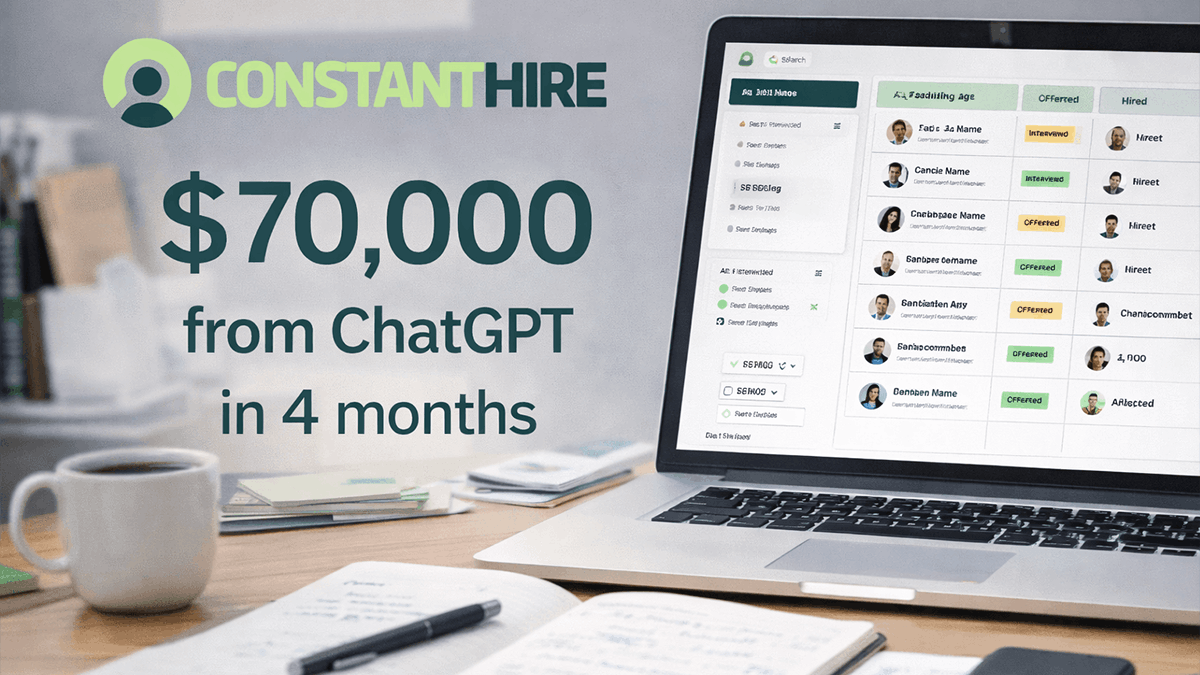
ChatGPT Result
Revenue
Time to Results
Increase in Commercial Keywords
Increase in Top 3 Rankings
Monthly Visitors

Collection Page Clicks
Sales Page Clicks
Time to Results
• Local SEO for dealership locations and service territories
• Monitoring AI search visibility across ChatGPT, Google AI Overviews, and Perplexity
• Landing page optimization for quote requests, rental inquiries, and appointment scheduling
Generative Engine Optimization for heavy equipment dealers. Get your brand recommended by name across ChatGPT, Perplexity, Claude, and Gemini when buyers ask AI for vendor shortlists.
We learn your inventory mix, brand partnerships, service territory, rental fleet, competitive landscape, and revenue goals.
We audit your site, analyze competitor positioning, map keywords across equipment categories and local markets, and build a prioritized 90-day plan.
Our team optimizes inventory pages, creates equipment buyer content, launches PPC campaigns, and builds links through construction trade publications and industry associations.
Monthly reports show what we did, what moved, and how it connects to your sales pipeline. Quarterly reviews ensure the strategy adapts to inventory changes and market conditions.
Something fundamental is changing in how buyers find suppliers. ChatGPT, Perplexity, and Google AI Overviews are answering procurement and product research questions with synthesized recommendations. If your company is not part of those answers, you are invisible to a growing segment of decision-makers.
If you are not showing up in AI search results, you are losing pipeline you never even knew existed. We optimize your content, authority signals, and structured data so AI platforms recognize your company as a trusted source in heavy equipment.
In heavy equipment, a single deal can be worth thousands or tens of thousands. That means every organic lead has outsized revenue potential.
Buyers in this space stick with suppliers they trust. One client won through search can generate revenue for years.
Unlike paid ads that get more expensive every quarter, SEO compounds. The content and authority you build today keeps generating leads next year.
Your prospects do extensive research before making purchasing decisions. That means they are searching, and you need to be there when they do.
You are reading this right now.
This article exists because we saw an opportunity and wrote it. It ranks because we optimized it. You found it because we know how to get found online.
That is not a coincidence. It is the entire point.
We are a search marketing agency. You are reading our content because our search marketing works. The strategies in this guide are the same ones we use to generate our own pipeline.
Dynamic inventory creates unique SEO challenges: units sell, new units arrive, and specifications vary. We build strategies that keep your inventory indexed and ranking despite constant changes.
Six and seven-figure purchases involve weeks or months of research. Our strategies maintain visibility throughout the entire buying cycle, from initial research to final decision, using a coordinated approach across organic, paid, and AI search.
SEO, AI search optimization, and PPC work together. Organic rankings build long-term inventory visibility, PPC captures immediate high-intent buyers, and AI search positions your brand in the tools contractors increasingly use for research.
We measure leads, lot visits, and revenue influenced by search. When a single deal can be worth hundreds of thousands, every report clearly connects search performance to your bottom line.

Have questions about working with us? Book a 30-minute strategy call to discuss your goals and see if we’re a good fit.
No-pressure conversation
Clear next steps (if we’re a fit)
Talk directly to an expert
We build a dynamic inventory SEO strategy: structured templates that automatically optimize new listings, proper handling of sold units (redirects, similar equipment suggestions), and category-level pages that maintain rankings regardless of individual unit availability. This keeps your site performing even as inventory turns over.
Yes. While listing platforms have broad visibility, they don’t build your brand or create direct relationships. We target brand-specific, model-specific, and local searches where dealer websites outperform listing aggregators, driving buyers directly to your inventory.
Most heavy equipment clients see ranking improvements within 90 days and significant lead growth within six to nine months. PPC generates immediate buyer inquiries while organic authority builds.
All three represent distinct search opportunities. We structure campaigns to target each segment: new equipment focuses on specification and capability searches, used equipment targets model and price-point queries, and rental captures immediate availability searches. The allocation depends on where your revenue is concentrated.
Contractors and fleet managers are using AI tools to compare equipment specifications, estimate costs, and find dealers. If your inventory data and brand content are structured for AI extraction, you appear in these recommendations. This is an emerging channel that early adopters can dominate.
Yes. Dealer strategies focus on inventory visibility, local dominance, and direct buyer acquisition. Manufacturer strategies focus on brand authority, specification content, and dealer support. Both approaches can operate simultaneously.