
Senior strategists running your Amazon Ads account, with every campaign judged on profit, not a single ACoS number.
Most Amazon ad accounts don’t lose money on one bad bid. They lose it on auto campaigns that never get harvested, search terms that keep spending without a sale, branded clicks counted as growth, and an ACoS target that ignores margin. Our Amazon PPC management covers Sponsored Products, Sponsored Brands, display ads (formerly Sponsored Display) and Amazon DSP: campaign structure, keyword and search term work, bids and budgets, the detail pages your ads send traffic to, and reporting on TACoS and profit. Management starts from $5,000 per month, with ad spend paid directly to Amazon.
Trusted by the world's leading brands














Monthly organic visits
High-quality backlink placements
Revenue generated for clients
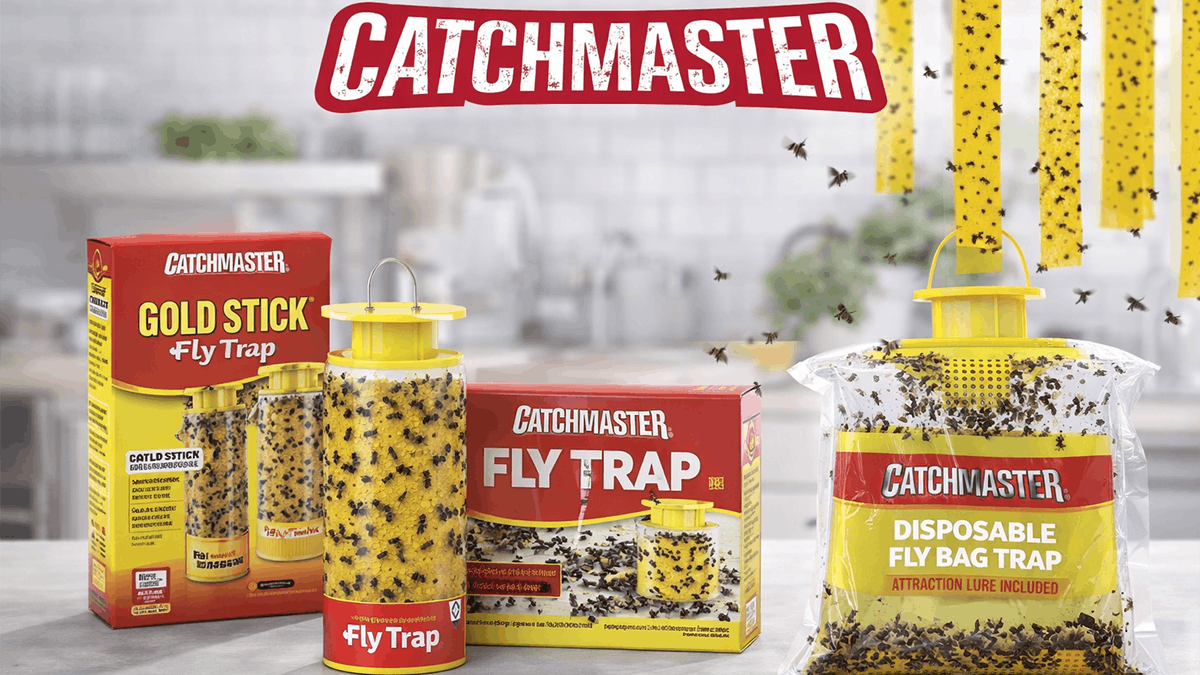
Our published case studies are search programs for ecommerce brands, the same buyer-intent keyword data that drives an Amazon account. Buoy grew organic revenue by more than 1,200% in 12 months, Vintage Luxe Up moved from position 18 to #1 in under 90 days with a 22.5x return on its SEO investment, and Catchmaster built 19,000+ monthly clicks to two pages and made search its most profitable channel within 6 months.

Main Keyword Ranking
Commercial Visitors in 90 Days
Return on SEO Investment

Ranking Position Obtained
Organic traffic in 6 Mo
Revenue Increase
Monthly Collection Page Clicks
Monthly Landing Page Clicks
Time to Results
Amazon Ads management from the search term report to the monthly profit view.
We review every campaign, ad group and targeting setting, recent search term reports, placement data and wasted spend by ASIN. You get a written view of where budget goes and which parts of the account are earning it.
Auto, broad, phrase, exact and product targeting each get a job. Brand and non-brand are split, hero ASINs get their own budgets, and new launches are kept from draining spend meant for proven sellers.
Converting search terms move from discovery campaigns into exact match with their own bids. Terms that spend without selling are negated on a set schedule, not when someone finds time.
Each product gets a target based on its margin and role. A hero product can run a higher ACoS to win rank, a low-margin add-on can't. Budgets follow that logic instead of one account-wide number.
Ads send shoppers to your product detail page, so we flag the titles, images, reviews and stock issues that waste clicks you have already paid for.
Monthly reporting on ad sales, ACoS, TACoS, brand versus non-brand, and new-to-brand customers, with what changed in the account and why.
Amazon now groups its ad products under Amazon Ads Agent: Sponsored Display is now known as display ads, and Amazon DSP is now part of Amazon Ads Agent. Sponsored Products campaigns have no monthly or upfront fees and are priced per click. We manage all four and decide what each one is allowed to do in your account.
The base of most accounts. Keyword and product-targeted ads that send shoppers straight to a product detail page. We run auto campaigns for discovery, manual campaigns for control, and move winners between them every week.
Top-of-search placements with your logo, a custom headline and several products, or video. For sellers, Amazon requires Brand Registry. We use them to defend your brand name and win category terms, and track new-to-brand customers.
Retargeting shoppers who viewed your products and reaching shoppers on competitor and complementary product pages. Useful once Sponsored Products is profitable and you want to recover visitors who didn't buy.
Programmatic display, video and audio across Amazon properties and third-party publishers, now run through Amazon Ads Agent's advanced settings. A fit for brands with the budget and catalog depth for full-funnel reach, usually after search campaigns are working.
Discovery, ranking, brand defense and conquesting each get their own campaigns and budgets, so one goal doesn't quietly take spend from another.
Hero products, new launches, bundles and low-margin add-ons get different targets. The ACoS that works for one would bankrupt another.
Branded searches are cheap and convert well, which flatters every report. We keep them separate so you see what new demand actually costs.
ACoS shows ad efficiency. TACoS shows whether ads are lifting total sales or just buying orders you would have had anyway. We report both.
Harvesting, negatives and bid changes happen on a fixed weekly cycle, with a log of what changed so nothing gets undone by accident.
Top of search, rest of search and product page placements perform differently. We adjust by placement instead of raising bids everywhere.
Existing sponsored ads campaigns are eligible to serve in Alexa for Shopping without extra setup, so product data and detail pages now matter in AI answers as well as in search results.
For brands selling on both Amazon and their own site, we compare the two so ad spend isn't pushing the same customer to the lower-margin channel.
We go through campaigns, targeting, search terms, placements and spend by ASIN, and set margin-based targets with you.
Wasted search terms are negated, broken or duplicate targeting is cleaned up, and budgets are moved toward products that can carry them.
Brand and non-brand are separated, discovery and exact match campaigns get clear roles, and Sponsored Brands is set up where Brand Registry allows it.
A full cycle of harvesting, bid and placement changes, then a report on ACoS, TACoS, new-to-brand customers and what we changed and why.
Amazon search terms are some of the clearest buying-intent data you have. The phrases that convert in Sponsored Products tell you how shoppers describe the problem, the product and the alternatives they compare. We feed that language into your own store’s SEO, product pages and paid search, and the other way around.
AI shopping assistants raise the stakes. Amazon says Rufus was used by over 300 million customers in 2025, and that existing sponsored ads campaigns are automatically eligible to serve in Alexa for Shopping. Our guides to Amazon Rufus and Alexa for Shopping cover what that means for your listings.
Over time, this changes how the budget is split. Paid keeps doing what it does best: launching products, defending your brand and winning terms you can’t rank for organically yet. Organic ranking on Amazon, Google and AI search takes over demand that never needed to cost money. The goal is a business whose sales hold up when you pause a campaign.
Built for brands that own their products and want Amazon to be a profitable channel. Not a fit for resellers without brand control, or for anyone looking for a set-and-forget campaign.
Brands with their own products on Amazon, ideally with Brand Registry, so Sponsored Brands and brand-level reporting are available.
Accounts with search term history to work from, or brands with the margin and inventory to commit to a sustained program.
Brands running Amazon alongside Shopify or another store, where both channels need to be read together.
Teams ready to judge ads by total sales and contribution margin rather than a single platform number.
Google Ads management for Shopify and Shopify Plus stores, from the product feed to profit-based bidding.
Getting your products recommended when shoppers ask ChatGPT, Gemini and other AI assistants what to buy.
Our wider paid search management for ecommerce, B2B services and SaaS.

Have questions about working with us? Book a 30-minute strategy call to discuss your goals and see if we’re a good fit.
No-pressure conversation
Clear next steps (if we’re a fit)
Talk directly to an expert
It includes the strategy, setup and weekly optimization of your Amazon Ads campaigns. With us that means an account audit, campaign structure, search term harvesting and negatives, bids and budgets set to margin, placement decisions, detail page recommendations and monthly reporting on ACoS, TACoS and profit, across Sponsored Products, Sponsored Brands, display ads and Amazon DSP.
Our Amazon PPC management starts from $5,000 per month. Ad spend is separate and paid directly to Amazon; Sponsored Products campaigns have no monthly or upfront fees and you pay per click. The final fee depends on catalog size, ad spend and how many ad types and marketplaces we run.
ACoS is ad spend divided by ad-attributed sales; TACoS is ad spend divided by total sales. ACoS tells you how efficient the ads are. TACoS tells you whether ads are growing the whole business or just taking credit for orders that would have happened anyway. A healthy account usually sees TACoS hold or fall as organic rank improves.
Yes, we manage all of them alongside Sponsored Products. Note the naming changes: Sponsored Display is now known as display ads, and Amazon DSP is now part of Amazon Ads Agent, with its programmatic controls in advanced settings. We usually get Sponsored Products profitable first, then add the others where they have a clear job.
You need it for Sponsored Brands if you are a seller. Amazon lists Brand Registry as a requirement for sellers using Sponsored Brands, while vendors are also eligible. Sponsored Products does not require it, but the product must be eligible for the Featured Offer.
Wasted spend usually drops in the first few weeks, once search term negatives and budget fixes go in. Structural changes need a few weeks of data per campaign to judge, so meaningful shifts in ACoS and TACoS show across the second and third month. Seasonal products take longer to read fairly.
Existing sponsored ads campaigns can, without extra setup. Amazon says existing sponsored ads campaigns are automatically eligible to serve in Alexa for Shopping. That makes product titles, attributes, images and reviews more important, because they shape what the assistant says about your products.
Yes. We can run Amazon Ads alongside an internal team or another partner handling listings, inventory or your own site, and share the search term data that helps their work. If we also run your SEO, Google Ads or AI search, all of it works from one picture of demand.
Bring your account to the call. We’ll walk through the campaign structure, the search terms and where spend is going, and tell you what we’d change first.