
Senior-led SEO that fixes what Shopify breaks, builds collection pages that rank, and reports organic performance in revenue.
Our Shopify SEO services cover what a Shopify store needs to grow non-brand organic revenue: theme and platform fixes, collection and product architecture, content that supports commercial pages, international setup through Shopify Markets, link building and digital PR, and visibility in AI search. Senior practitioners run every engagement, working in your theme, your admin and your data.
We work with established Shopify and Shopify Plus brands doing roughly $1M to $50M a year, usually led by a founder, ecommerce director or marketing lead who has paid search working and wants organic to carry more of the revenue.
Trusted by the world's leading brands















Revenue generated from search for our clients
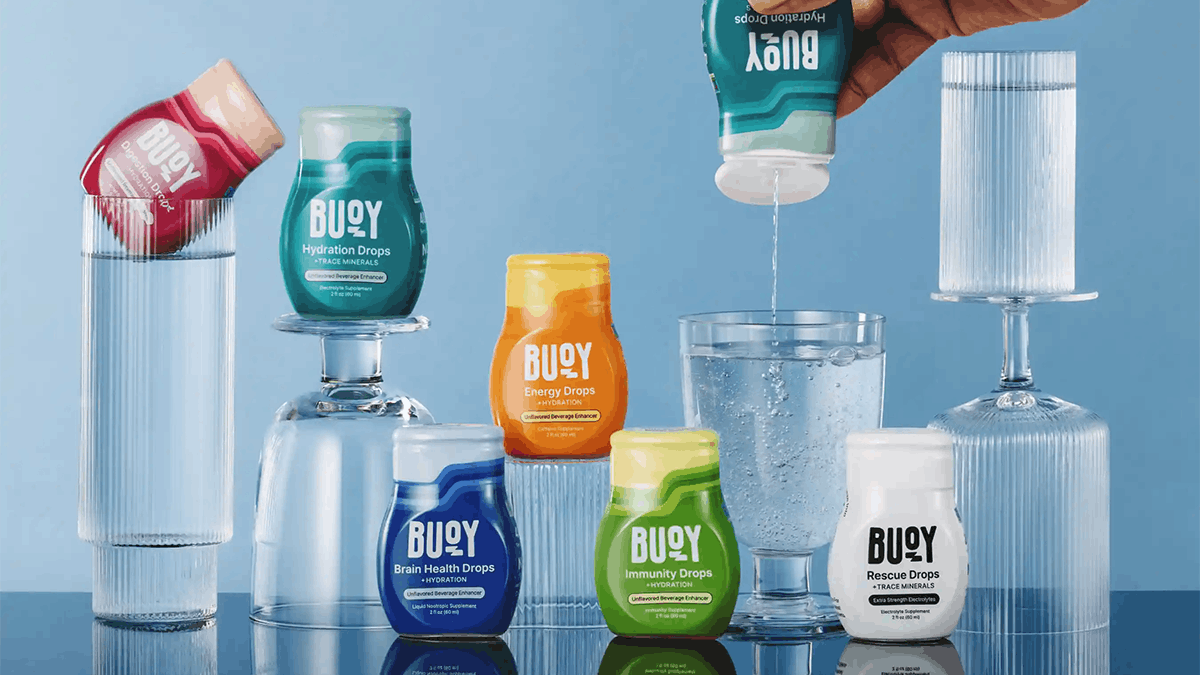
To get Buoy to #1 on ChatGPT
Brands we’ve worked with
One engagement, covering every part of organic growth a Shopify store depends on.
We fix the issues Shopify creates by default: duplicate product paths, uncontrolled filter and tag URLs, bloated themes, orphaned app scripts and broken index coverage. You get a prioritized roadmap, changes implemented in your theme or handed to your developer, and verification once they're live.
Most stores have collections built for merchandising and none built for how people search. We map keyword demand to collections, decide which pages should exist, merge or retire the rest, and build the filter combinations that deserve their own page.
Collection copy, buying guides and a blog that feeds your money pages instead of competing with them, with the comparison and specification detail buyers look for and every informational piece linked to the collection it supports.
Markets configuration, subfolder versus domain decisions, hreflang, translated handles, and consistent pricing and currency across regions. For Plus stores we also work across expansion stores and checkout extensibility.
Feed hygiene, structured data, review and offer signals, consistent brand data on and off your site, and answer-shaped copy on commercial pages, with AI search visibility tracked alongside your Google reporting.
Coverage and links from publications, product roundups and industry sites that influence rankings and brand mentions in AI answers. Angles tied to your products and category, not generic guest posts.
Shopify handles hosting and security well. These are the problems it leaves to you, how they show up in a real store, and what we change.
Search Console shows thousands of product URLs under /collections/ discovered but not indexed. Shopify serves every product at two paths, and most themes link to the collection-scoped version from product grids, related products and quick-view modals. We find the snippets that output the collection path, rewrite them to emit the clean /products/ URL, and recheck after theme or app updates reintroduce it.
Ten filters and five sort options can generate more crawlable URLs than you have products, all competing with the parent collection. We use crawl and log data to see what Google requests, keep parameters out of the index and block low-demand combinations. Where a combination has real demand, such as brand plus category, we build it as a proper collection with its own copy and links.
LCP sits above four seconds on collection pages. The usual causes are leftover code from uninstalled apps in theme.liquid, review and chat widgets loading synchronously, oversized images, and sections that render every variant on load. We remove dead app code, defer third-party widgets, resize and lazy-load imagery, trim heavy sections, and verify against field data, not lab scores.
Rich results disappear or Merchant Center flags price mismatches because the theme outputs incomplete Product markup, stale availability, or one offer for a product with twenty variants. We rebuild the markup with correct offers per variant, availability that reflects inventory, ratings from the live review source, and pricing that matches the storefront and the feed.
International traffic lands on the wrong market, or Google indexes one region and ignores the rest. We review the Markets setup, crawl each market as a regional user, fix the hreflang cluster so every version references every other version and itself, and align translated handles, currency and pricing with the market Google indexed.
A guide sits at position eight for a category term while the collection it should feed doesn't rank. We map every ranking URL to the page type that should own the query, move commercial terms to collections with real copy and internal links, and rewrite informational posts for their own intent so they send buyers to the collection.
Rankings drop two weeks after launch because the old URL structure didn't survive. Shopify fixes the path format for products, collections, pages and blogs, so legacy stores must be remapped, not replicated. We inventory every URL before launch, map revenue and link-earning pages, redirect retired URLs, keep copy depth on ranking pages, and monitor closely after launch.
ChatGPT, Perplexity, Gemini and Google AI Overviews build product recommendations from retrieval, structured product data and what third-party sources say about a brand. A store can rank well in classic search and still be missing from those answers, because its data is inconsistent or its pages don’t state the specifics a model needs to quote. We track which prompts surface your category, what gets cited, and what your store is missing.
Product feed and offer hygiene. We clean titles, attributes, GTINs, availability and pricing so the feed agrees with the storefront and the structured data. Mismatches between the three are a common reason a product gets skipped in shopping surfaces and AI recommendations.
Brand and entity consistency. We make on-site signals consistent (brand name, about and policy pages, product naming) and work the off-site side through digital PR, review platforms and marketplace listings, so the same brand description appears wherever a model looks.
Answer-shaped copy and agentic commerce readiness. Collection and product copy is written to answer what buyers ask: who a product suits, how it compares, sizing, materials, shipping and returns. Short, direct answers are what get quoted. We also handle Shopify UCP setup so AI shopping agents can read and transact against your catalog.

Main Keyword Ranking
Commercial Visitors in 90 Days
Return on SEO Investment
Ranking Position Obtained
Organic traffic in 6 Mo
Revenue Increase
Collection Page Clicks
Sales Page Clicks
Time to Results
Reporting covers organic revenue by collection and product, non-brand clicks, index coverage, Core Web Vitals and AI search visibility.
We review your store, Search Console data and category before the call, then use the time on what's holding organic revenue back and what the first 90 days would cover. You leave with a point of view on your store whether or not we work together.
A full crawl of the storefront, index coverage review, theme and app audit, structured data and feed check, international review where relevant, and keyword-to-collection mapping. The output is a prioritized roadmap, each item marked as something we implement or your developer ships.
Technical fixes go live: duplicate paths, parameter handling, speed, structured data and redirects. In parallel we restructure collections and internal linking against the keyword map, building, merging or retiring pages as needed.
Collection copy and supporting content publish, digital PR and link building begin, AI search tracking comes online, and the first full report lands.
We work best with established brands where organic growth moves real revenue.
The store is live, selling and past validating products. We're not the right fit for a pre-launch catalog.
Multiple categories, real variant depth, and collections that could be structured around search demand, not just merchandising.
You want organic and AI search to take load off paid, and you'll judge the work on revenue rather than traffic.
Either your developer implements, or our team works directly in the theme. Both work.
The people who audit your store are the people who do the work, with no handoff to a junior team after the pitch.
Organic, AI search and Google Ads run on the same keyword and revenue data, instead of three agencies reporting separately.
Organic revenue by collection and product is the headline number. Traffic and rankings are the diagnostics underneath.
We work in Liquid, Markets configuration and the app layer. The platform’s constraints are known problems to us, not discoveries made on your retainer.

Have questions about working with us? Book a 30-minute strategy call to discuss your goals and see if we’re a good fit.
No-pressure conversation
Clear next steps (if we’re a fit)
Talk directly to an expert
Scope drives cost, so we price after a strategy call rather than from a menu. The variables are catalog size, how much technical debt sits in the theme and app layer, how competitive your category is, whether you sell internationally, and how much content and link building the plan needs. After the call you get a scoped proposal with the deliverables for the first 90 days.
Yes, with known limits. Hosting, HTTPS, mobile rendering and clean URL formats are handled well out of the box, and Shopify stores rank at the top of competitive categories. The limits are fixed URL paths, duplicate collection-scoped product URLs, limited native control over faceted navigation, and theme and app code that slows pages down. All of them are workable once you know where they live.
The fundamentals are the same. Plus adds scale and control: expansion stores, checkout extensibility, Shopify Functions and higher API limits, which matter for international setups and large catalogs. Plus stores also tend to carry more technical debt, more apps and more stakeholders, so the work leans harder on architecture decisions and change management than on quick fixes.
No. Apps can automate meta tags, flag broken links and add structured data, and some of that helps. They don’t decide which collections should exist, fix theme code that links to non-canonical product URLs, resolve filter and parameter crawl waste, or earn links. Several also add script weight that hurts Core Web Vitals. They’re tooling, not a strategy.
Technical fixes can move index coverage and rankings within weeks. Architecture and content changes typically show meaningful non-brand click growth between months three and six, with revenue following as commercial pages gain position. Competitive categories and large catalogs take longer. We report monthly from the start, so progress is visible well before the revenue curve turns.
Not necessarily. We can implement Liquid and theme changes directly in a duplicate theme, test them and publish. If you’d rather your own developer owns the codebase, we provide specific implementation instructions with file names, snippets and acceptance criteria, then verify each change once it’s live.
We inventory every existing URL with traffic, rankings or backlinks before anything moves, map each to its Shopify equivalent, and redirect everything retired. Because Shopify fixes the path format for products, collections, pages and blogs, legacy structures have to be remapped rather than copied. We keep copy and heading depth on ranking pages, then monitor index coverage and rankings closely after launch.
It adds a second set of requirements on top of ranking. AI search engines and shopping agents pull from structured product data, feeds, review signals and third-party sources, so consistency between your storefront, markup and feed now affects whether you get recommended. Copy also has to answer questions directly enough to be quoted. We track AI search visibility alongside rankings in the same report.
Mostly platform depth and capacity for technical work. In-house marketers usually know the catalog, customer and brand better than any agency, and stay close to merchandising and campaigns. What tends to be missing is time inside Liquid, experience with Markets and feeds across many stores, and a link building and digital PR function. We run those alongside your team rather than replacing it.