
Senior strategists running your Google Ads account, not a junior buyer following a checklist.
Many Shopify PPC accounts don’t lose money on bidding. They lose it on a product feed that undersells half the catalog, conversion tracking that reports numbers Shopify never recorded, and a Performance Max campaign quietly taking credit for people who were already searching the brand name. We manage Google Ads for Shopify and Shopify Plus stores doing roughly $1M to $50M a year: the feed and Merchant Center, campaign structure, tracking, bidding, the pages your ads send traffic to, and the reporting you use to make budget decisions.
Trusted by the world's leading brands














Monthly organic visits
High-quality backlink placements
Revenue generated for clients
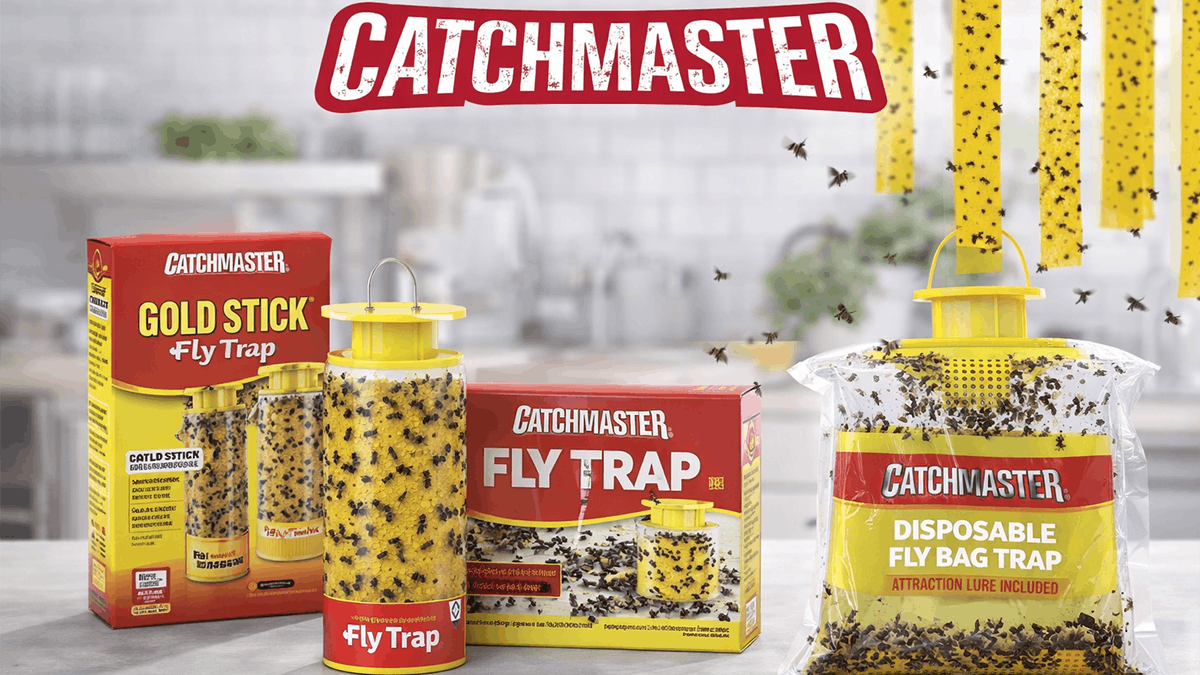
Shopify brands we work with have turned search into a revenue channel: Buoy went from $0 to $270,000 in revenue from SEO in 12 months and reached #1 on ChatGPT in three weeks, Vintage Luxe Up climbed from position 18 to #1 in under 90 days with a 22.5x return on its SEO investment, and Catchmaster grew from zero to 44,000 monthly organic visitors. Your Google Ads account runs on the same search data behind these results.

Main Keyword Ranking
Commercial Visitors in 90 Days
Return on SEO Investment

Ranking Position Obtained
Organic traffic in 6 Mo
Revenue Increase
Collection Page Clicks
Sales Page Clicks
Time to Results
Google Ads management for Shopify stores, from the feed to the report.
Your feed is the real ad copy in Shopping and Performance Max. We rebuild titles and attributes so products match how people search, fix GTIN and identifier gaps, and set feed rules that hold as the catalog changes. Merchant Center is monitored for disapprovals and warnings, not checked after sales drop.
We decide what belongs in Performance Max, what belongs in Standard Shopping, what needs Search, and whether Demand Gen has a job in your account at all. Structure follows margin, catalog size and brand demand, so budget isn't pooled into one campaign that makes its own allocation decisions.
Before anything is optimized, we verify that Google counts what Shopify counts: the Google tag and Customer Events configured correctly, enhanced conversions, deduplication between sources, and purchase values that reconcile with order data.
Blended ROAS hides which products pay for the account. We pass margin into conversion value or apply value rules, and use new customer acquisition goals where they fit, so Google optimizes toward orders worth having.
Shopping and Search traffic should land where the decision gets made. We choose collection or product pages by query type, and flag the on-page issues costing conversions on pages your ads already pay for.
Built around what you need to approve budget: brand versus non-brand, new versus returning customers, product and category performance, and what changed in the account that month, with an explanation rather than dashboard screenshots.
Most established Shopify stores need more than one campaign type. The work is deciding what each one is allowed to do.
Covers Shopping, Search, YouTube and Display inventory from one feed and finds demand across a large catalog without manual query management. Fits stores with enough conversion volume to learn and a catalog too large to manage product by product. The main risk: it absorbs branded and remarketing demand and reports it as new growth, so brand exclusions and a separate brand campaign matter more than the settings.
Good at control: you see search terms, segment products deliberately, and set different targets for different margin bands. Fits catalogs with a wide margin spread, stores protecting specific product lines, and accounts where Performance Max has been given too much territory. Usually run alongside Performance Max, with clear boundaries so the two don't bid on the same demand.
Captures intent the feed can't express: problem-based queries, comparison terms, category language, competitor interest and your own brand. Fits brands with real category demand or a recognizable name worth defending. The risk is paying for clicks you already earn organically, which is why we check organic and AI search coverage before deciding what to bid on.
Puts creative in front of people who aren't searching yet, usually with audiences built from your own customer and visitor data. Fits brands with strong visual products, enough first-party data and a reason to create demand. Judge it on new customer acquisition over a longer window. It's the first thing we cut if Shopping and Search fundamentals aren't fixed yet.
We configure Shopify's Google & YouTube channel properly, then stop treating the default export as finished. Titles are rewritten by template so the attributes buyers search with come first, missing GTINs and identifiers get resolved, and feed rules handle product types, categories and edge cases. More of your catalog becomes eligible and competitive in Shopping, instead of a handful of products carrying the account.
We label products by contribution margin, sales rank, price band and stock position, then build campaign and bidding segments on those labels. Budget follows profit rather than volume, slow movers stop spending at the same target as your strongest products, and low-stock items get pulled back before they waste impressions.
Brand demand is cheap and flatters every report it touches. We exclude brand terms from Performance Max, run brand Search as its own campaign with its own target, and report the two separately. Non-brand performance becomes visible at its true cost, and budget decisions are made on new demand rather than demand you already had.
We implement the Google tag through Shopify Customer Events, enable enhanced conversions, and remove duplicate conversion sources so one order counts once. Then we reconcile purchase values in Google Ads with Shopify order data, including discounts, shipping, taxes and refunds depending on how you define value. Bidding is only as good as the number it optimizes toward.
Where margin data is available, we pass it as conversion value or apply value rules so the account optimizes toward profit, not revenue. When the aim is growth, we set new customer acquisition goals with values that reflect what a first order is actually worth to you. Targets are set per segment instead of one account-wide ROAS number.
Disapprovals are a revenue problem, not an admin task. We work through misrepresentation flags, policy and contact page requirements, shipping and returns configuration, and price or availability mismatches between your Shopify data and what Google crawls. Account health is monitored continuously, because a feed that silently drops your top sellers costs more than any bidding mistake.
For stores selling into several countries, we set up feeds per market with the correct currency, shipping and tax settings, aligned with how Shopify Markets serves prices and content. Campaigns are split by market so performance stays readable and budget isn't pulled toward whichever country converts fastest.
Category and comparison queries usually convert better on a well-built collection page with filters and context, while specific product searches belong on the product page. We map query types to page types and flag what needs fixing on destination pages, since paid traffic exposes weak product content faster than any other channel.
We go through the Google Ads account, Merchant Center, the feed and the conversion setup, and separate what's reported from what's real. You get a written view of where spend is going and what's inflating it.
Tracking is corrected and verified against Shopify order data. Titles, attributes, identifiers and feed rules are rebuilt, and custom labels are applied so segmentation is possible.
Brand and non-brand are separated, Performance Max and Standard Shopping get clear boundaries, Search is built around the queries worth paying for, and budgets are allocated by margin segment.
A full cycle of query, product and segment optimization, then a report showing brand versus non-brand, new versus returning customers, and what we changed and why.
Brands spending heavily on Google Ads are often paying for demand they already own. When nobody compares the paid and organic picture, the account keeps buying clicks on terms where the store already ranks first organically and already gets recommended when shoppers ask AI search for a product like yours. Pulling spend off that overlap is one of the fastest ways to lower acquisition cost without losing orders.
The data moves the other way too. Search term reports from Shopping and Search show the exact language buyers use before they purchase, including product descriptors and comparison phrasing that keyword tools rarely surface. Those terms feed collection pages, product content and the questions we answer for AI search, so coverage you currently rent starts to become coverage you own.
Over time, this changes the shape of the budget. Paid keeps doing what it’s best at: reaching demand you can’t win organically yet, testing new categories and holding ground in competitive auctions. Organic and AI search take over the demand that never needed to cost money. The goal isn’t a smaller ad account for its own sake. It’s a business whose revenue doesn’t stop the month you pause the campaigns.
Built for established Shopify brands with real order volume. Not a fit for pre-launch stores, or for brands looking for a campaign that’s built once and left alone.
Established stores with real order volume, where changes to feed, tracking and campaigns have enough data behind them to show results.
Accounts with existing spend and history, or brands with the margin and inventory to commit to a sustained program rather than a trial month.
Stores where some products are far more profitable than others, which is where segmenting by margin, price band and sell-through makes the biggest difference.
Teams willing to look at new customer acquisition and contribution margin rather than managing to a single platform number.
Organic growth for Shopify and Shopify Plus catalogs, from collection architecture to product content and technical work.
Getting your products and brand recommended when shoppers ask AI search what to buy.
Our wider paid search management for ecommerce, B2B services and SaaS.

Have questions about working with us? Book a 30-minute strategy call to discuss your goals and see if we’re a good fit.
No-pressure conversation
Clear next steps (if we’re a fit)
Talk directly to an expert
It’s worth it when your tracking is accurate, your margins can support the acquisition cost, and your feed represents the catalog properly. Stores that struggle are usually missing one of those three, not suffering a bidding problem. If a large share of sales already comes from branded search, fix attribution first so you know what paid is actually adding.
Most established stores use both. Performance Max covers breadth across a large catalog and finds demand you wouldn’t target manually. Standard Shopping gives you query visibility and product-level control, which matters when margins vary widely. The real decision is where to draw the line between them, and excluding brand terms so Performance Max isn’t credited with existing demand.
We implement the Google tag through Shopify Customer Events, enable enhanced conversions, and remove duplicate conversion sources so each purchase counts once. Then we reconcile reported conversion value with Shopify order data, including discounts and refunds, and verify it with test orders before any bidding strategy is trusted with budget.
The common causes are price or availability mismatches between the feed and the live product page, missing or invalid GTINs, policy page requirements for shipping, returns and contact details, and misrepresentation flags tied to site trust signals. Each has a different fix, and some need page changes in Shopify rather than feed changes. We work through them by revenue impact.
Usually yes, but as a separate campaign with its own target and its own reporting. Brand clicks are cheap and convert well, which makes them easy to hide inside blended performance. Running brand separately shows what non-brand actually costs, and lets you decide how much protection you want against competitors bidding on your name.
We size budget from your margin, average order value, repeat purchase behavior and how much non-brand demand exists in your categories. Spend is then allocated by product segment rather than set as one monthly figure. If the account can’t yet measure new customer value accurately, we start smaller and scale once the data is trustworthy.
Tracking and feed fixes often show improvement within the first few weeks, because eligibility and measurement change right away. Structural changes need a full learning cycle and enough conversion volume to judge, so meaningful performance shifts show across the second and third month. Seasonal catalogs take longer to read fairly.
Yes. For Shopify Plus we work with the more complex catalog, market and checkout setups those stores usually run. For international selling we set up feeds per country with the right currency, shipping and availability, aligned with how Shopify Markets serves each market, and split campaigns by market so results stay readable.
Yes. We can run paid search alongside an internal team or another organic partner, and share the search term and product data that helps their work. If we also run your SEO and AI search, both programs share one picture of keywords and demand, which is where most of the acquisition cost savings come from.
Bring your live account to the call. We’ll walk through the feed, the tracking and the campaign structure with you, and tell you what we’d change first.