
Senior-led SEO for luxury and high-AOV ecommerce brands. We get your collections ranking for the products people search for by name, answer the questions buyers ask before a high-ticket purchase, and report organic performance in revenue.
SEO for luxury brands works differently from SEO for a mass-market store. Your buyers search with precision: a designer, a material, a period, a specific piece. They compare carefully and come back several times before they buy. If resellers, marketplaces and editorial roundups show up for those searches and your own store doesn’t, the sale usually goes to whoever does. Our luxury SEO covers what a luxury ecommerce site needs to win those searches: keyword research built around high-intent product and collection terms, collection architecture, copy that answers pre-purchase questions without cluttering the design, technical fixes for image-heavy sites, digital PR, and visibility in AI search.
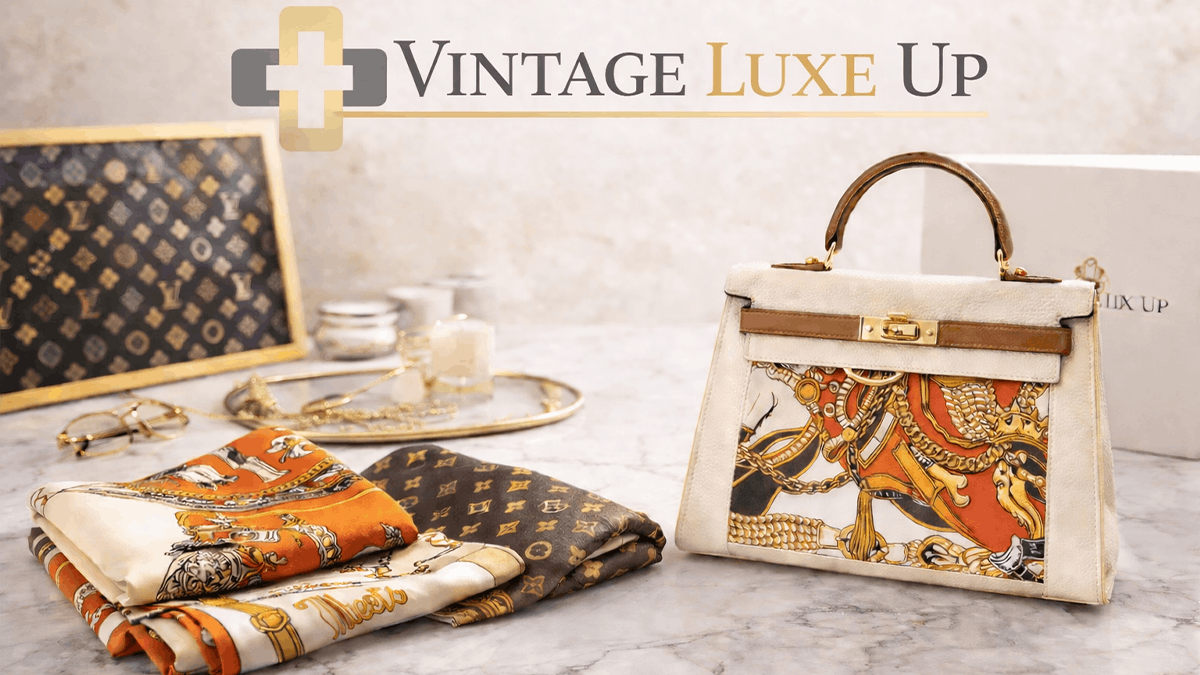
The approach is the one behind our Vintage Luxe Up case study: a Shopify luxury fashion brand selling vintage scarves and accessories at $1,200 each moved from position 18 to #1 for its main keyword in under 90 days, and reached a 22.5x return on its SEO investment after one year. Engagements start from $5,000 per month and are run by senior practitioners, not handed to a junior team after the pitch.
Trusted by the world's leading brands











In revenue our clients have captured from search
To take Vintage Luxe Up from position 18 to #1
Monthly unbranded commercial visitors for Vintage Luxe Up, up from 400 branded
One engagement that covers organic search, AI search and the content and links behind both, built for brands with high order values and discerning buyers.
We map the searches people make when they are ready to buy: designer and product names, materials, eras, sizes and styles. Informational terms come second. Every keyword gets a page type, so collections, products and guides stop competing for the same query.
Luxury buyers rarely land on the exact piece they want. We build collections around how people search, by designer, material, category or occasion, so a search lands on a page with real choice. That is how Vintage Luxe Up ranked a single collection page for dozens of related terms.
Collection and product copy that answers what buyers ask before a high-ticket purchase: materials, sizing, provenance, authenticity, care, shipping and returns. Long-form copy can sit below the product grid, so the page keeps its clean, image-led look.
Large photography, video, sliders and third-party scripts slow luxury sites down. We fix page speed, crawl waste, duplicate URLs, structured data and international setup, then verify against field data once changes are live.
ChatGPT, Gemini, Perplexity and Google AI Overviews now answer questions like which brand to buy for a specific need. We make your product data, brand facts and third-party mentions consistent, so those answers have something accurate to cite.
Coverage and links from fashion, design, lifestyle and gifting publications, plus the roundups buyers read before they choose. Angles are tied to your pieces and category, never generic guest posts that would cheapen the brand.
These are the issues we see most often on luxury and high-AOV stores, how they show up, and what we change.
Searches for your brand plus a product type return resale sites, marketplaces and department stores before your store. We strengthen the pages that should own those queries with specific copy, internal links and structured data, and earn the mentions that tell search engines which site is the source.
A single product page ranks for a broad term, and buyers who want a different colorway, size or piece leave. We move commercial terms to collection pages built for choice, then point product pages and guides at them.
Limited runs and unique items create pages that sell out and disappear, taking their rankings and links with them. We set rules for each case: keep the page with alternatives, redirect it to the closest collection, or retire it cleanly.
Hero video, full-bleed photography and widget scripts push load times up on collection and product pages. We resize and lazy-load imagery, defer third-party scripts and remove dead app code without changing how the store looks.
Minimal design often means a product name, a price and nothing else. We add the details buyers and search engines both need, materials, dimensions, provenance and care, in a format that keeps the page uncluttered.
Luxury brands often sell across several regions, and the wrong market version gets indexed or shown. We fix hreflang, regional URLs, currency and pricing so each market ranks with the right page.
A new site launches and rankings fall because the old URLs, copy and internal links didn't survive. We inventory every URL with traffic, rankings or links before launch, map and redirect it, and monitor closely after go-live.
When a shopper asks an AI assistant which brand makes the best version of something, the answer is built from structured product data, the brand’s own pages and what third-party sources say about it. A luxury brand can rank well on Google and still be missing from those answers if its data is inconsistent or its pages never state the specifics a model can quote. We track the prompts that matter in your category, what gets cited, and what your brand is missing.
Product data that agrees everywhere. Titles, attributes, materials, availability and prices should match across the storefront, structured data and any product feed. Mismatches are a common reason products are skipped.
Consistent brand facts. Your story, materials, sourcing and craftsmanship should read the same on your site, in press coverage and on retailer listings, so the description a model repeats is the one you want.
Answers buyers can quote. Collection and product copy that states plainly who a piece suits, how it compares, and how sizing, authenticity, shipping and returns work. Short, direct answers are what get cited. Our AI search optimization work runs alongside SEO in the same plan and the same report.
Main Keyword Ranking
Unbranded Commercial Visitors in 90 Days
Return on SEO Investment After 1 Year
Google Ranking for "Hydration Drops"
Organic Traffic in 6 Months
Organic Revenue in Year 1
Monthly Collection Page Clicks
Sales Landing Page Clicks
To Most Profitable Channel
Reporting covers organic revenue by collection and product, unbranded clicks, rankings for your priority terms, and visibility in AI search.
We look at your site, Search Console data and category before the call, then spend the time on what is holding organic revenue back and what the first 90 days would cover. You leave with a clear view of your site whether or not we work together.
High-intent keyword research, a full technical crawl, a review of collections and product templates, and a check of how your brand appears in AI answers. The output is a prioritized roadmap, each item marked as something we implement or your team ships.
Collection pages are built, merged or renamed around search demand, with URLs and H1s matched to the target terms. Technical fixes go live in parallel: speed, duplicate URLs, structured data and redirects.
Collection and product copy publishes, digital PR and link building begin, AI search tracking comes online, and the first full report lands.
We do our best work with established luxury and premium brands where each organic sale is worth a lot.
Average order values are high enough that a handful of extra organic orders a month makes a real difference, as it did for a brand selling $1,200 pieces.
Buyers look for your designers, materials, product types or brand by name, even if your site doesn't rank for those searches yet.
Paid social or search is working, and you want a channel that compounds instead of renting every visit.
You need SEO that respects the look and voice of the brand. We work with your creative team, not around it.
The people who review your site on the strategy call are the people who do the work.
Organic, AI search and paid search run on the same keyword and revenue data, instead of three agencies reporting separately.
Organic revenue by collection and product is the headline number. Rankings and traffic are the diagnostics underneath.
Collection-first strategy, copy placed so it doesn’t crowd the design, and a focus on buy-ready searches. It’s the playbook from the Vintage Luxe Up case study.

Have questions about working with us? Book a 30-minute strategy call to discuss your goals and see if we’re a good fit.
No-pressure conversation
Clear next steps (if we’re a fit)
Talk directly to an expert
Our luxury SEO engagements start from $5,000 per month. The final scope depends on catalog size, how much technical work the site needs, how competitive your category is, whether you sell in several regions, and how much content and digital PR the plan calls for. After the strategy call you get a proposal with the deliverables for the first 90 days.
Yes, as long as people search for what you sell. Luxury buyers research carefully, and they search for designers, materials and specific pieces. Ranking for those searches doesn’t dilute the brand; it puts your own site ahead of resellers and marketplaces. In our Vintage Luxe Up case study, a brand selling $1,200 pieces reached #1 for its main keyword in under 90 days.
We’re a search marketing agency that works with luxury and premium brands. We cover SEO, AI search and paid search, not events, influencer seeding or creative campaigns. If you already work with a brand or PR agency, we run search alongside them, so the demand their work creates turns into searches your own site wins.
Ask for case studies with dated results from stores that sell high-value products, and ask how they measure success. Revenue from organic search is the number that matters; rankings and traffic are diagnostics. Ask who will do the work day to day, and how they handle copy and design so SEO changes don’t cheapen the look of the site.
Focused collection-page work can move rankings within a few months; Vintage Luxe Up went from position 18 to #1 in under 90 days. Broader programs usually show meaningful unbranded click growth between months three and six, with revenue following as commercial pages gain position. Competitive categories and large catalogs take longer, and we report monthly from the start.
Most of it goes below the product grid. On Shopify, a collection description shows above the products by default, which pushes the pieces out of view. We move longer copy below the grid so the page stays image-led, and keep it focused on pre-purchase questions such as materials, sizing, authenticity and care.
Shopify and Shopify Plus are the platforms we work with most, and we also work with BigCommerce, WooCommerce and Magento. Our Shopify SEO services page covers the Shopify-specific issues in more detail.
It adds a second place to be recommended. Assistants such as ChatGPT, Gemini and Perplexity answer questions like which brand to buy, drawing on product data, your own pages and third-party coverage. Consistent product data, clear brand facts and press mentions now affect whether you get named. We track AI search visibility in the same report as your rankings.