
Senior-led Amazon SEO that ranks your ASINs for buyer-intent search terms, fixes listing and catalog issues that waste paid clicks, and reports organic sales, not vanity rank screenshots.
Amazon SEO services improve how your products show up in Amazon search and category browse when shoppers are ready to buy. That means titles, bullets, backend search terms, A+ content, images and category placement that match how people search, plus catalog health so the right ASINs stay indexed and eligible for the Featured Offer.
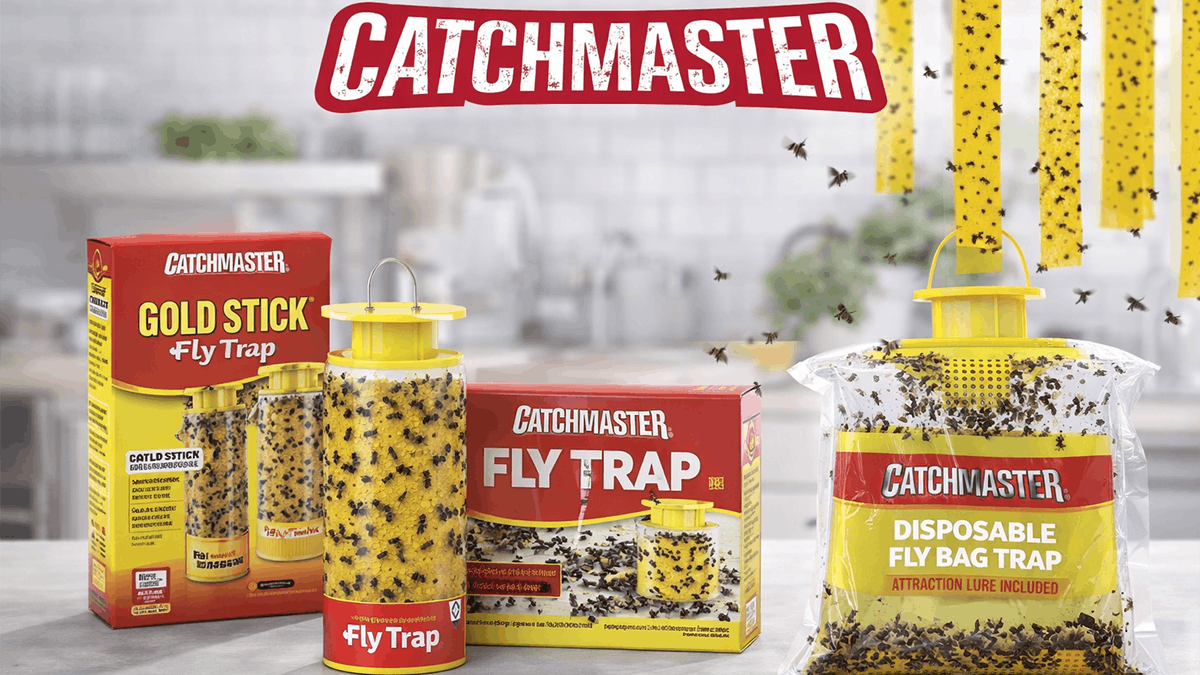
We run Amazon SEO alongside Amazon PPC management when it helps: converting search terms from Sponsored Products feed the organic keyword plan, and organic rank takes over demand that no longer needs to cost money. Published ecommerce search case studies show the same buyer-intent approach: Buoy grew organic revenue by more than 1,200% in 12 months, Vintage Luxe Up moved from position 18 to #1 in under 90 days with a 22.5x return on SEO investment, and Catchmaster made search its most profitable channel in 6 months with 13,000+ monthly collection clicks and 6,000+ sales-page clicks. Engagements start from $5,000 per month and are run by senior practitioners, not handed to a junior team after the pitch.
Trusted by the world's leading brands














In revenue our clients have captured from search
Organic revenue growth for Buoy in 12 months
Combined monthly clicks Catchmaster earned from two optimized pages
One engagement covering listing content, catalog health, keyword mapping, A+ and store content, and how organic work ties to your Amazon ads.
Titles, bullets, descriptions, backend search terms and attributes rewritten around the phrases shoppers use to buy, not internal product codes. Each ASIN gets a primary term and supporting terms so variants stop competing.
We check that the ASINs you want to sell are indexed, categorized correctly, and eligible for the Featured Offer. Suppressed listings, bad browse nodes and duplicate ASINs get fixed before more content work.
Enhanced brand content and Brand Store pages that answer comparison questions, show use cases and keep shoppers on your brand instead of a competitor's listing.
Main image compliance, secondary images and video that show scale, use and differentiators. Ads send paid traffic to the same detail page, so conversion assets protect both organic and paid spend.
Product titles, attributes, Q&A and reviews shape what Amazon's shopping assistants say about your products. We make those fields accurate and complete so AI answers have something clear to cite.
When we also run Amazon PPC, converting search terms move into the organic plan and wasted terms stay out. Organic ranking then takes over demand that no longer needs a bid.
These are the issues we see most often on Amazon catalogs, how they show up, and what we change.
Titles stuffed with every synonym and size code, or written like an internal SKU. We rewrite to the primary buyer phrase first, then the differentiators shoppers actually scan.
Products sitting in a browse node that does not match how shoppers navigate, so they never appear in the right category results. We correct categorization and attributes that drive browse placement.
Color and size children competing for the same search terms, or a parent that does not represent the offer well. We set a keyword map per ASIN and clean variant structure where Brand Registry allows it.
Five generic bullets and blank or duplicated backend search terms leave ranking and conversion on the table. We fill attributes and backend fields with real shopper language, within Amazon's character and policy limits.
A+ modules that repeat the title, or a Brand Store with no path to the ASINs that sell. We rebuild modules around objections, comparisons and use cases, and link Store traffic to the right detail pages.
Sponsored Products spend looks expensive because the detail page loses the click: weak images, missing reviews context, stockouts or unclear sizing. We fix the page so organic and paid traffic can convert.
Search term reports never inform listing copy, and organic rank never reduces the need for bids. We connect the two so discovery spend feeds ranking and branded defense stays efficient.
Amazon shopping assistants pull from the same product data shoppers see on the detail page: titles, attributes, A+ content, Q&A and reviews. A brand can spend heavily on Sponsored Products and still lose the AI answer if those fields are thin or inconsistent. Amazon SEO is how you make the catalog readable to both ranked search and assistant answers.
Attributes that match the offer. Size, material, compatibility, count and use-case fields should match the images and bullets. Gaps and contradictions are common reasons a product is skipped in recommendations.
Clear comparison language. Bullets and A+ modules should state who the product is for, what it replaces and how it differs from common alternatives, in plain sentences an assistant can quote.
Ads and organic in one plan. Existing sponsored campaigns can serve in AI shopping experiences without separate setup, so listing quality protects paid and organic at once. See our guides to Amazon Rufus and Amazon PPC management for how that fits a wider Amazon program.

Main Keyword Ranking
Unbranded Commercial Visitors in 90 Days
Return on SEO Investment After 1 Year

Google Ranking for "Hydration Drops"
Organic Traffic in 6 Months
Organic Revenue Increase
Monthly Collection Page Clicks
Sales Landing Page Clicks
To Most Profitable Channel
Reporting covers organic sales and units by ASIN, organic share of total sales, ranking for priority search terms, catalog health, and how organic changes affect ACoS and TACoS when ads run in parallel.
We review your catalog, recent search term data if you advertise, and competitor listings before the call, then spend the time on which ASINs can move first and what the first 90 days would cover.
Listing audit, index and category checks, keyword map by ASIN, and a gap review against top competitors. The output is a prioritized roadmap for hero ASINs and supporting catalog fixes.
Titles, bullets, backend terms, images and A+ modules ship for priority ASINs. Category and suppression issues are cleared so ranking work is not wasted on ineligible offers.
Next-wave ASINs get the same treatment, search term feedback from ads is folded in, Rufus-ready attributes are checked, and the first full report lands.
We do our best work with brand owners selling their own products on Amazon, where organic rank and listing quality move real margin.
Brand Registry access matters for A+ content, Brand Store and clean variant control. Resellers without brand control are not a fit.
A focused set of products with margin and inventory to support ranking work, not a one-off listing with no replenishment plan.
You will judge the work on organic units, sales and TACoS when ads run, not a single keyword position chart.
Brands selling only on Amazon, or Amazon alongside Shopify or another store, where both channels should share keyword and demand data.
The people who review your catalog on the strategy call are the people who do the work.
Organic listings and Sponsored Products run on the same search term and margin data, instead of two vendors optimizing past each other.
Organic sales, units and share of total sales are the headline numbers. Keyword ranks are the diagnostics underneath.
We map how shoppers describe the problem and the product, then build pages and listings that match. It is the approach behind Buoy, Catchmaster and Vintage Luxe Up.

Have questions about working with us? Book a 30-minute strategy call to discuss your goals and see if we’re a good fit.
No-pressure conversation
Clear next steps (if we’re a fit)
Talk directly to an expert
Our Amazon SEO engagements start from $5,000 per month. Scope depends on catalog size, how many marketplaces you sell in, whether Brand Registry and A+ are available, how much listing and catalog cleanup is needed, and whether Amazon PPC runs in the same program. After the strategy call you get a proposal with the deliverables for the first 90 days.
Listing optimization (titles, bullets, descriptions, backend search terms and attributes), catalog and indexation health, category placement, A+ and Brand Store content, image and conversion assets, Rufus-ready product data, and monthly reporting on organic sales and priority rankings. When we also manage ads, search term harvesting feeds the organic plan.
Amazon SEO improves organic ranking and listing conversion so shoppers find and buy without a click cost. Amazon PPC buys placement through Sponsored Products and related ad types. The two share search term data: ads discover what converts, SEO captures more of that demand organically over time. See our Amazon PPC management page for the paid side.
Brand Registry is required for A+ Content and Brand Store, and it helps with brand defense and variant control. Sponsored Brands also requires it for sellers. You can improve basic listing fields without it, but the full Amazon SEO program assumes Brand Registry access.
Catalog and listing fixes can improve conversion and eligibility within weeks. Meaningful organic rank and sales shifts usually show across the second and third month for focused ASINs, longer for competitive categories or large catalogs. We report monthly from the start.
Yes. We can run Amazon SEO alongside an internal team or another partner handling ads, inventory or creative, and share the keyword map that helps their work. If we also run Amazon PPC, Google Ads or DTC SEO, all of it works from one picture of demand.
Yes. Assistants draw on titles, attributes, A+ content, Q&A and reviews. Completing and aligning those fields is part of the engagement. Our Amazon Rufus guide covers what that means for sellers in more detail.
Our published case studies are ecommerce search programs with dated metrics: Buoy grew organic revenue by more than 1,200% in 12 months; Vintage Luxe Up went from position 18 to #1 in under 90 days with a 22.5x return on SEO investment; Catchmaster made search its most profitable channel in 6 months; Custom Captain earned 7,680+ clicks in 6 months for a lead-gen tool page. Amazon SEO uses the same buyer-intent keyword discipline on the Amazon catalog.